Questions? Fill out to contact Us

🔎 Want to browse the web privately? 🌎 Or appear as if you're in another country?
Get for FREE PureVPN with this special ICZ offer.


How to start a blog – a comprehensive guide on how to start, grow, and monetize a successful blog, from defining your niche and crafting compelling content to exploring monetization strategies and leveraging SEO. This guide will equip you with the tools to embark on a rewarding blogging journey.
Additionally, it emphasizes the importance of passion, consistency, and engagement in building a thriving blog and encourages readers to take the first steps toward their online success.
You can get your blog online in 30 minutes or less by following this comprehensive tutorial.
If you would like to start a blog, immediately scroll down or press this link – TUTORIAL
You might be skeptical, but trust me, anyone can start a blog that makes money.
Moreover, some of you can even generate enough money from your blog to quit your job.I began with no experience, just like you. After over a decade of learning from mistakes, I’ve uncovered the key to a profitable blog. By following the blueprint in this guide, you can avoid errors and achieve financial success faster.
I can’t guarantee anything, but if you start a blog and plan to generate 100 articles, you will get quite a good number of traffic. That traffic will give you a conversion rate between 5-20% (on average). So you can easily calculate your income or check how much money affiliate marketing can generate.
In addition, if you are truly motivated, you can achieve a really good passive income. If you don’t know what it is, check our calculations in this post -> Calculations of affiliate marketer passive income.
You might want to start the blogging journey for one of the most popular reasons:
Opt for a niche larger than “vegan Caribbean recipes” but smaller than “nutrition.”
Focus on things you like or are interested in because this will help you create good content and succeed faster. Starting from Niche will help you narrow down your theme and have a specific audience in mind.
Beyond WordPress, explore Medium, Tumblr, or LinkedIn for broader visibility. Don’t stick with one platform; search for other platforms to speed up the process and increase your blog visibility.
Nevertheless, your blog’s core should use software like WordPress that offers customizable templates.
Post across platforms, always linking back to your site for traffic control. This will help you bring readers to your blog and suggest search engines to rank you higher.
Engage readers with stories and conversations. Don’t forget to mix “you” and “I” to make the story more attractive to the readers. Remember, the audience likes a killer title and interesting but informative headers to make the content skimmable.
End every post with a question to guide reader interaction. If you don’t ask them, they will be passive readers and not interested in reading further. It’s good to ask questions that drive attention and make them curious about the answer.
I know it’s easy to say but challenging to do. Use Infographics, visuals, and uniqueness to stand out in diverse industries. For great results, try AI like Midjourney. I like to use software to edit graphics to make it stand out, but that’s just a personal preference.
Create video or audio (Podcast) content for easy consumption and portability. As you might have noticed, some landing pages offer video as a first element because an image with sound is the best way to present your content. Everybody prefers to watch a video instead of reading.
Today, we are flooded with information. Therefore, we filter out lots of them. More than mediocre content will be required. So, it would be best if you focused on producing exceptional material. Write your experience if you have any. People like to read about you and your experience rather than about mystery stories that they are still determining where they came from.
Honestly, whenever I come across a page with fluff, I skip it and search for another one. When you start a blog, keeping the content in the proper tone and language might be challenging. Everybody witnessed similar difficulties. Don’t worry. You will improve through practice. So, keep writing.
Important note: Useful content beats viral content.
Commit to consistently delivering high-quality content for long-term success. Plan to write at least two articles per week. Write daily if you can for faster results. The key is consistency because algorithms from, for example, Google like it. They will rank you higher if they keep finding good quality content on your blog.
Create a routine that you write at least part of the post each day. After a week or two, you will notice how easy it became.
Respond to comments across platforms; build a thriving community. Try not to leave unanswered comments/questions. The best is to engage in a conversation.
Let’s clarify, AI is awesome, but we still prefer humans.
Craft content with headings and conclusions for value even when skimmed. People have a short time span, meaning they focus for a short period. Therefore, they scroll through the page and only read standing-out text. You can try to read your content that way and highlight (bold) content to convey the message. They will be more interested in reading the whole content if it interests them by skimming through it.
Prioritize compelling headlines as they significantly impact click-through rates. As described already, make them skimmable and exciting to go through.
Remember that 8 out of 10 people will read your headline, but only 2 out of 10 will click through and read the rest.
Back up your points early in posts to hook readers and encourage full reading. Please don’t keep them waiting till the end of your content. It’s good to have a summary at the beginning for those who want to avoid going through the complete article. Yes, it sounds awkward, but that’s how people interact with content these days. If you answer some questions in your post, do it at the beginning, but explain everything in the post. The answer might interest them and make them read the complete content.
Long-term success requires years of consistent effort and dedication. Yes, it’s not one day or one-night magical solution to start a blog and make money. Therefore, it’s good to start as a side hustle and keep grinding until you see results. There is another solution to make money from blogs instantly, but it requires ads and a slightly different approach. Interested? Then, contact me or read about the special offer.
Utilize multiple channels for a comprehensive approach in your niche, but don’t do it immediately after you start a blog – give yourself some time.
Now, I have to tell you a secret! In the beginning, go with one channel, one topic, one offer, etc. It takes time to improve your work. If you go slowly, you will not feel overwhelmed and will still be interested in achieving your goals. It might be too much to force yourself to go on multiple channels from the beginning and do everything yourself. If you would like to go omnichannel, then get our help.
Remember, you write for humans but also want to attract search engines. That’s why you start a blog for money. Good quality content that is SEO-optimized for search engines and still readable takes a lot of work. Incorporate Ubersuggest to help you find keywords and content suggestions.
In the tutorial below I also cover a way you can try to outrank websites that are currently in the first position in the search results for specific long-tail keywords.
Accept that not all content lasts forever; be ready to retire, rewrite, or merge irrelevant posts. It means that after you start a blog, you must remember to keep it alive. You must update posts, rewrite them, or redirect to a completely new one if it makes sense. This way, Google will keep your blog high in SERP.
Regularly refresh outdated content to maintain relevance and user engagement. Right now, you might see it overwhelming but think how your point of view will change when this blog starts making money for you – 1k, 3k, or even more.
Prompt return visits through emails and push notifications. Try to engage readers in multiple ways.
More readers = higher ranking = higher profits
Don’t delay monetization efforts; avoid assumptions that everything is free. Many ad networks have requirements that are difficult to meet for new blogs. The best right now is Ezoic. Try it out.
Employ multiple methods for safer and more lucrative monetization.
Among many techniques, you can start with:
Success demands time, energy, and, if necessary, financial investment. Start a blog, and continue until you achieve your goals.

In the dynamic landscape of 2023, blogging has transcended its conventional role as a digital diary. And currently, it looks even more attractive. Today, it is a powerful avenue for individuals seeking personal expression and substantial personal and financial growth. As we delve into the art of blogging, let’s explore why it has become more critical than ever in the current digital era.
Blogging remains a cornerstone of online communication and community building. In an age where information is instant and attention spans are fleeting, blogs provide a space for in-depth exploration and nuanced discussion. As social media platforms become saturated with bite-sized content, blogs offer a refuge for those who crave more substantial, thought-provoking narratives.
Moreover, blogging has evolved into a multifaceted tool that individuals, entrepreneurs, and businesses can leverage to establish their digital presence. In an era dominated by virtual interactions, a well-crafted blog can be the linchpin of one’s online identity, creating a lasting impression on readers and potential collaborators.
Blogging is a journey of self-discovery and personal growth. As you articulate your thoughts, share your experiences, and engage with your audience, you refine your writing skills and gain deeper insights into your perspectives. It’s a platform for self-expression where every post becomes a brushstroke on the canvas of your digital narrative.
Beyond personal development, blogging holds immense potential for financial gain. A successful blog can be a lucrative asset in an era where remote work and alternative income streams are rising. By understanding monetization strategies, such as affiliate marketing, low-ticket offers, and advertising, bloggers can turn their passion into a sustainable source of income.
The democratization of information on the internet has leveled the playing field, allowing individuals to compete with established entities. Whether you aspire to earn a supplementary income or embark on a full-fledged entrepreneurial journey, blogging provides a platform where dedication and creativity can be translated into tangible financial success.
This is going to be the most comprehensive advice you’ll find on how to start a blog from scratch in about 30 minutes. You must read this tutorial if you want to start a blog fast and make money. From the foundational steps of choosing a niche and setting up your platform to the advanced monetization and SEO optimization strategies.
So grab a cup of coffee and read it all the way through:

At its core, a blog is more than just a digital space on the internet; it’s a canvas for personal expression, a platform for sharing ideas, and a gateway to connecting with a global audience. Short for “weblog,” a blog is an online journal or informational website displaying entries in reverse chronological order. It’s a versatile medium that can take various forms, from personal diaries to professional platforms covering diverse topics.
In blogging, your chosen medium reflects your identity and interests. It’s a dynamic space where your thoughts, experiences, and insights unfold over time, creating a narrative that resonates with your readers. Understanding the essence of a blog sets the stage for your journey into the digital realm.
Before you begin your blogging journey, clarifying the purpose and goals that will guide your efforts is essential. Ask yourself: Why do you want to start a blog? Is it to share personal experiences, provide valuable information, or create a source of income?
For many, blogging is a means of personal expression. It’s an avenue to share life experiences, thoughts, and reflections with an online audience. The act of putting pen to digital paper allows for a unique form of self-discovery and introspection.
Others may choose to blog with the primary goal of sharing valuable information. Whether it’s insights into a specific industry, travel experiences, or DIY tutorials, your blog can become a go-to resource for those seeking knowledge in your niche.
In the digital age, blogging has evolved into a legitimate source of income. Aspiring bloggers can develop strategies for monetization, turning their passion into a profitable venture through methods like affiliate marketing, sponsored content, and selling products or services.
Selecting a niche is a pivotal step in your blogging journey. Your niche defines your blog’s specific focus and subject matter, shaping the content you create and the audience you attract. Aligning your niche with your interests and the needs of your target audience is critical to building a successful and sustainable blog.
Consider your passions and areas of expertise when choosing a niche. Blogging about topics you genuinely enjoy ensures a more fulfilling and sustainable experience. Your enthusiasm will resonate with readers, creating an authentic connection.
Identify your target audience and understand their needs and preferences. Tailoring your content to address your audience’s interests fosters engagement and loyalty. Research your potential readers’ demographics and online behaviors to refine your niche selection.
Strive for a balance between broad appeal and specificity in your niche. While a broad niche attracts a larger audience, a more specific focus can help you stand out and become a go-to resource in a particular niche.
As you embark on the journey of getting started with your blog, remember that your blog is a reflection of you. Choosing a niche aligned with your interests and audience ensures a more authentic and enjoyable blogging experience. Now, let’s dive into the practical steps of setting up your blog and bringing your vision to life.

Selecting the right blogging platform is critical in shaping the foundation of your online presence. Several platforms cater to different needs, each offering unique features and levels of customization. Here are some popular options:
WordPress stands as one of the most versatile and widely used blogging platforms. Known for its flexibility and extensive plugin ecosystem, WordPress allows for simple blogging and creating intricate, feature-rich websites. Our partners receive a complete system with a DIVI Theme, an enormous database with layouts, and a drag-and-drop theme builder system. Moreover, if you choose WordPress, you can easily create 6 figure site using WordPress.
Learn more about how to use WordPress to build 6 figure affiliate site.
Blogger, owned by Google, is a user-friendly platform suitable for beginners. It’s a straightforward option for those looking to start a blog without delving into the complexities of website management. I know that there are those who prefer to create a blog without the hassle of setup, management, etc. Nevertheless, remember that your website is like a Real Estate. Build it, take care of it, and it will bring you money for as long as you wish. Please don’t rely on other platforms that might change regulations or close your account. Work with us to create your own website – check special offer.
Explore how to become an affiliate marketer.
Apart from WordPress and Blogger, platforms like Medium and Wix offer unique advantages. Medium is renowned for its simplicity and community engagement, while Wix provides an all-in-one website-building solution with a drag-and-drop editor.
When choosing a platform, consider factors such as ease of use, customization options, and scalability as your blog grows. We support you from the beginning till your success.
Embarking on your blogging journey doesn’t have to come with a hefty price tag. Here’s a step-by-step guide to help you start a blog for free:
By following these steps, you’ll have a solid foundation for your blog, and you can start building your online presence without any initial financial investment.
Your domain name is your digital identity, so choosing a memorable and relevant one is crucial. Here are some tips to guide you:
By following these tips and putting thought into your domain name, you set the stage for a memorable and impactful blog that resonates with your audience. Now that your blog is set up, it’s time to focus on creating compelling content and engaging with your readers.

Crafting engaging blog posts begins with the art of storytelling. Take your readers on a journey by infusing your content with relatable anecdotes, experiences, and a conversational tone. A compelling narrative captivates your audience and keeps them coming back for more. These days, you can use AI to help you write a good copy that will rank in Google. Read our article about How to rank on Google with ChatGPT
While storytelling is essential, ensure that your content provides tangible value to your readers. Whether offering solutions to problems, sharing insights, or providing entertainment, valuable content establishes your blog as a go-to resource in your niche.
Tailor your content to your target audience. Consider their interests, challenges, and preferences. A deep understanding of your readership allows you to create content that resonates and fosters a sense of connection.
Identify relevant keywords in your niche using tools like Google Keyword Planner or Ubersuggest. Integrate these keywords naturally into your content, including in titles, headings, and throughout the body of your posts. This boosts your blog’s visibility on search engines.
Craft compelling meta tags and descriptions for each post. These concise summaries inform search engines about your content and entice users to click through to your blog.
Search engines prioritize quality content. Write for your audience first, ensuring your content is informative and readable. Balance keyword usage with a natural flow, making it enjoyable for both readers and search engine algorithms.
Linking is a powerful SEO tool. Internally link to other relevant posts on your blog to improve navigation and encourage readers to explore more. External links to reputable sources can enhance your blog’s credibility.
Use tools like Ubersuggest to audit your website and help you improve SEO. This is our score on one of the websites. You can read more here about on page SEO services

Enhance the visual appeal of your blog with high-quality images. Visuals break up text and create a more engaging and memorable experience for your readers. Use images that complement your content and evoke the desired emotions.
Videos are a dynamic way to convey information. Create video content to supplement your written posts. This could include tutorials, interviews, or even vlogs, providing a multi-dimensional experience for your audience.
Presenting information in the form of infographics or visual data adds another layer of engagement. Complex concepts become more digestible, and readers are more likely to retain information presented visually.
Ensure that your multimedia elements are accessible to all users. Add alt text to images and provide transcripts for videos. This not only improves user experience but also aligns with SEO best practices.
By integrating these strategies into your content creation process, you not only enhance the overall quality of your blog but also improve its visibility on search engines. As you continue to create valuable and visually appealing content, your blog will establish itself as a trusted resource within your niche.

Blogging isn’t just a means of creative expression; it’s also a gateway to various monetization opportunities. As your blog gains traction and a dedicated readership, you can explore several strategies to turn your passion into a sustainable source of income.
One of the most common monetization methods is through advertising and sponsored content. Advertisers pay to showcase their products or services on your blog, while sponsored content involves partnering with brands to create content that aligns with your niche.
Affiliate marketing is a powerful and accessible way for bloggers to earn commissions. You can turn your blog into a revenue-generating platform by promoting other companies’ products or services and earning a percentage of the sales generated through your unique affiliate link.
Affiliate marketing is a performance-based marketing strategy where bloggers (affiliates) earn a commission for promoting products or services of other companies (merchants). When a reader clicks on your affiliate link and makes a purchase, you receive a percentage of the sale.
Affiliate marketing offers a win-win scenario: you provide valuable recommendations to your audience, and in return, you earn a commission for each successful referral. By mastering the art of affiliate marketing, you can enhance your blog’s monetization potential.
Low ticket offers refer to affordable products or services that cater to a broad audience. Unlike high-ticket items, which may require a significant financial commitment, low ticket offers are accessible to a larger demographic, making them an excellent entry point for monetizing your blog.
By strategically incorporating affiliate marketing and low-ticket offers, you create a dynamic monetization strategy that caters to your audience’s diverse needs and preferences. As you experiment with these methods, monitor performance, and adapt your approach accordingly, you’ll unlock the full earning potential of your blog.

In the vast digital landscape, social media is a powerful tool to amplify the reach and impact of your blog. Leveraging various platforms strategically can help you connect with a broader audience and drive traffic to your content.
Identify the social media platforms most relevant to your niche and target audience. Whether it’s Facebook, Instagram, Twitter, or Pinterest, each platform has its strengths. Tailor your approach based on the platform’s predominant user demographics and content preferences.
Craft content that is not only engaging but also shareable. Incorporate attention-grabbing visuals, intriguing headlines, and calls to action that encourage readers to share your posts across their social networks.
Social media is a two-way street. Engage with your audience by responding to comments, asking questions, and participating in relevant discussions. Building a community around your blog enhances brand loyalty and encourages repeat visits.
Consistency is vital on social media. Create a content schedule and stick to it. Regular updates keep your audience informed and engaged, and scheduling tools can help you maintain a consistent online presence without constant manual effort.
Strategically place relevant keywords throughout your content, including in titles, headings, and the body of your posts. This helps search engines understand the focus of your content and improves your chances of ranking for those keywords. Make sure to interconnect your posts so that your readers and search engine bots can follow, finding all relevant topics.
As an example, when I was writing this article, I noticed that I could not follow my thoughts regarding affiliate programs. So whenever someone would land on one of the posts regarding affiliate marketing, it was impossible to find our list of affiliate marketing programs. So, the reader would have to know what and where to look. But users and bots don’t know it. So, remember to make it easy for them to find whatever they are looking for.
As you see, a blog has to live – you must check it occasionally to find small things to improve it and turn it into a great source of information and eventually into your cash machine.
Craft compelling meta tags and descriptions for each post. These concise snippets inform search engines about your content and serve as the first impression for potential readers. Make them enticing and reflective of the content’s value.
Create user-friendly and descriptive URLs for your blog posts. Clear and concise URLs enhance the user experience and improve search engine visibility.
Optimize images by using descriptive file names and adding alt text. Search engines can’t “see” images but can read alt text, providing additional context and improving accessibility. This is one of the most important techniques implemented by the on page SEO services. An exciting image can significantly increase traffic from the SERP if it’s combined with good keywords. Compress images and use WEBP format to ensure faster loading times.
Prioritize high-quality, valuable content. Search engines reward content that addresses user intent and provides a positive user experience. Focus on creating in-depth, authoritative, and relevant content for your audience.
Incorporate both internal and external links strategically. Internal links guide users to other relevant content on your blog, enhancing navigation. External links to reputable sources contribute to the credibility of your content.
Optimize your blog for mobile devices. With an increasing number of users accessing content on smartphones, a mobile-friendly design improves user experience and aligns with search engine preferences.
Ensure that your blog loads quickly. Page speed is a critical factor in user satisfaction and search engine rankings. Compress images, minimize unnecessary code, and consider using a content delivery network (CDN) to improve loading times.
Continuously update and refresh your content. Regularly adding new information or expanding on existing content signals to search engines that your blog is active and relevant, positively impacting your rankings.
By incorporating these strategies into your blog-building efforts, you enhance its visibility on search engines and create a solid and engaged online community through social media. Balancing on-page SEO and social media promotion is critical to building a successful blog that resonates with your target audience and ranks well in search engine results.
Take a moment. Relax. It’s not as overwhelming as it seems. Starting a blog doesn’t require reinventing the wheel; it’s about finding your unique voice in a specific niche.
When you start a blog, focus on the long term. Sustaining regular blogging requires a genuine interest in your chosen topic. Therefore, choosing a subject solely based on popularity or profitability may lead to quick burnout.
Trust me, everybody has something to share. We all differ, and you have something amazing that can attract others. How can you find it?
Begin by seeking inspiration from someone you admire in your chosen hobby or niche. Explore their blog, allowing your ideas to take shape. If you lack a specific role model, find someone you look up to and let the ideas flow.
Express your unique experiences authentically. Use your vocabulary and personality without overthinking. Consistency is key; your audience will follow if you stay true to yourself.
Choosing your blog’s niche involves asking two crucial questions:
Passion fuels engaging content. Don’t start a blog about a topic you don’t love. Your enthusiasm will reflect in your writing and attract others.
Whether it’s fitness, recipes, or career advice, pick a subject that genuinely interests you.
Think about the topics friends and family seek your advice on. Your areas of expertise often emerge with a bit of reflection.
You must love and be naturally curious about whatever topic you pick.
If not, you’ll run out of ideas quickly. Eventually, you will lose any momentum you built up at the start.
Trust me, if you put your passion and emotions into your content, you must succeed!
Even in seemingly niche hobbies, there’s a community behind them. You don’t believe me?
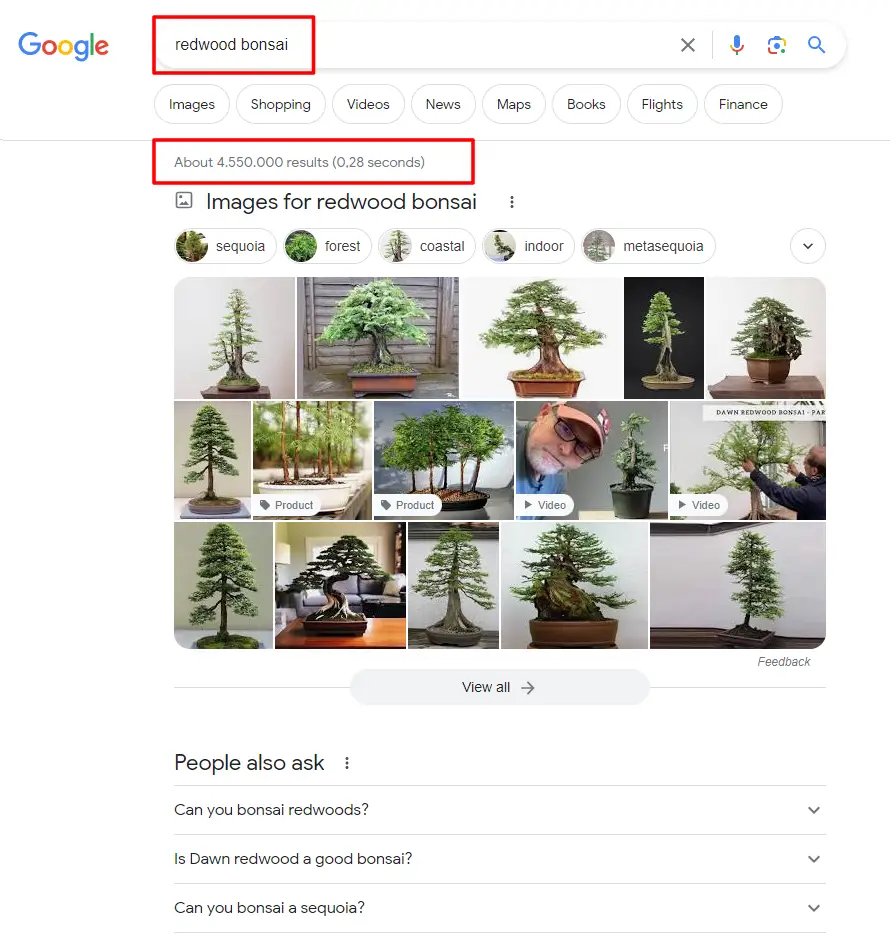
Let’s do a test. Do a quick Google search for an uncommon interest you have. You might be amazed how many people might search for it.
For instance, if you’re passionate about an unconventional hobby like bonsai in the digital era, don’t shy away. Explore specific aspects, avoiding generic terms.
Instead of a “bonsai blog,” focus on “redwood bonsai.”
I searched for Redwood Bonsai, and the results revealed there’s an audience of around 4.5 million.
Therefore, embrace your uniqueness; specificity can attract a devoted following.
Now it’s time for the fun part: naming your blog.
This is your brand. It’s how people will remember you and your content.
But don’t overthink it. The magic of a brand gets built over time. Even if you feel stuck, keep moving forward.
The best way to land on the perfect name is to start with brainstorming. In the previous step, we talked about unleashing all of your ideas and nailing down your niche.
Now, it’s time to turn those ideas into a name.
So, open up a new spreadsheet or grab a pen and paper. Then, spend about ten minutes writing down every word that comes to mind.
Start combining words and phrases from there until something stands out to you. Aim for 5 – 10 potential names and write them down.
Now, you might want to use technology to help you out. Use a great database that is available to all of us. That’s the internet. How can you use the internet to brainstorm your blog name?
You might want to try ChatGPT. Register if you don’t have an account and write this prompt with your list of blog names:
Generate creative and catchy blog name ideas focused on the redwood bonsai niche. Consider incorporating words related to bonsai cultivation, redwood trees, and the art of miniature gardening. Aim for names that are memorable, reflect the unique aspects of redwood bonsai, and have the potential to resonate with enthusiasts in this niche. Use my names as suggestions:
When you finally have an amazing name for your blog, it’s time to see if it’s available as a domain. A domain is where your blog lives on the internet.
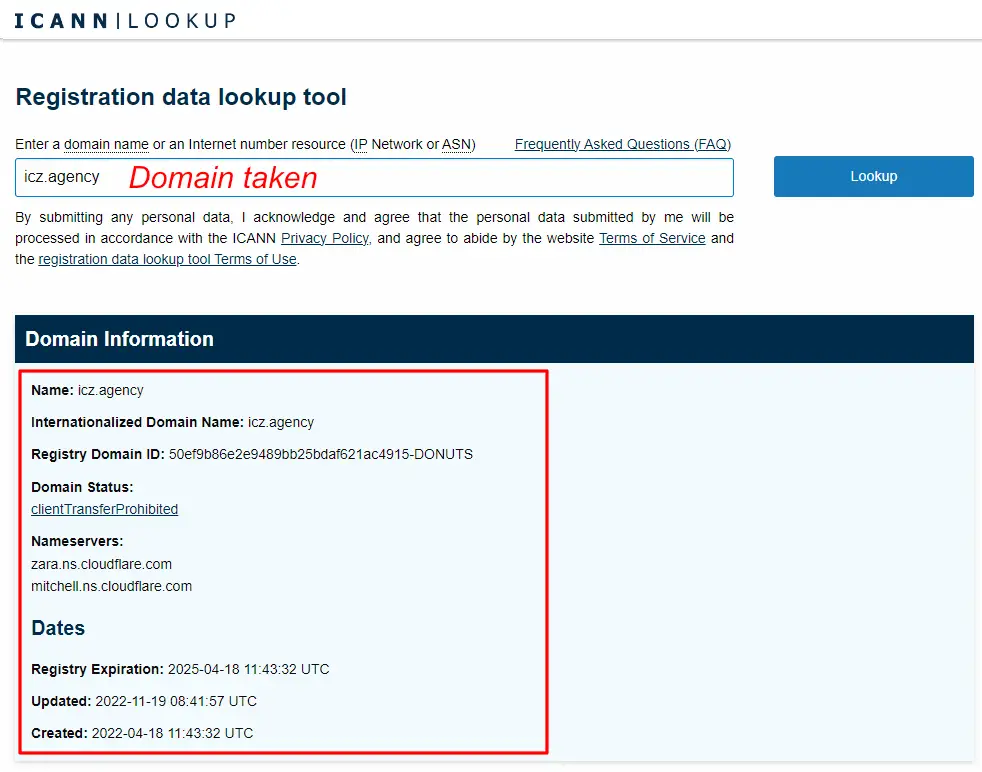
For example, icz.agency is our domain.
ICZ.agency is one of our domains and also our brand used by our business partners. That’s what you type into the address bar to find us. But that also means you can’t use the domain because we already own it.
You could use your personal name as your domain. Nevertheless, you might start a blog but plan to grow it and sell it at some point as a start-up.
Therefore, finding a unique name that can be a brand by itself is a good idea.
So, I recommend choosing a different name than yours for your blog. That’ll make it a lot easier to sell the site if you ever want to.
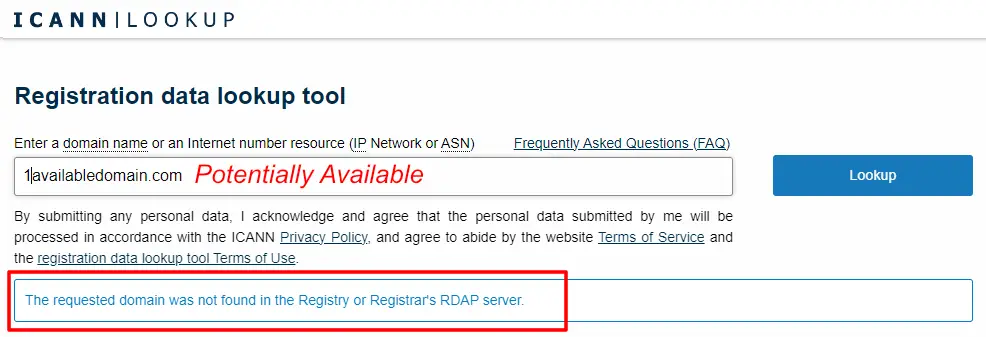
Once you have your list, you can go to ICANN NS LOOKUP and search for the one that’s available.
If none of your preferred site names are available as a .com, head back to the beginning and keep brainstorming.
Here are some extra tips for choosing an excellent domain name:
When you land on subpage to find available domain name, you can skip it if you want to test with temporary domain. I’ll show you how to choose Temporary Domain in the next step.
Here is the Siteground domain name checker to see if your blog name is really available.
Now, it’s time to get your blog live.
It may seem complicated at first but don’t worry. It’s much easier than it sounds.
You need web hosting, a server (where your blog lives), and a domain name (your blog’s address) to get started. The good news is that Siteground, currently my favorite web hosting company, offers both.
It’s also a very convenient option to host your new blog.
TIP: Siteground has WordPress and DIVI optimized services, but please check multiple options and choose the one that fits you the best (link to the Website Hosting Top 10).
Contact me if you need help.
Choosing the Right Web Hosting Platform To Start a Blog
When selecting a web hosting platform, consider the following factors:
- Uptime:
- Definition: The duration your website’s server is operational and accessible.
- Ideal Rate: Aim for a strong uptime rate, preferably 99.95% or above, indicating reliable server performance.
- Bandwidth:
- Definition: The volume of data your website can transfer to visitors within a specific timeframe.
- Calculation: Use a bandwidth calculator, considering your page size and expected traffic, to determine the required bandwidth.
- Customer Support:
- Importance: Access to responsive customer support in case of issues.
- Expectations: Look for a hosting provider offering an online help center, callback services, and prompt responses to inquiries via social media.
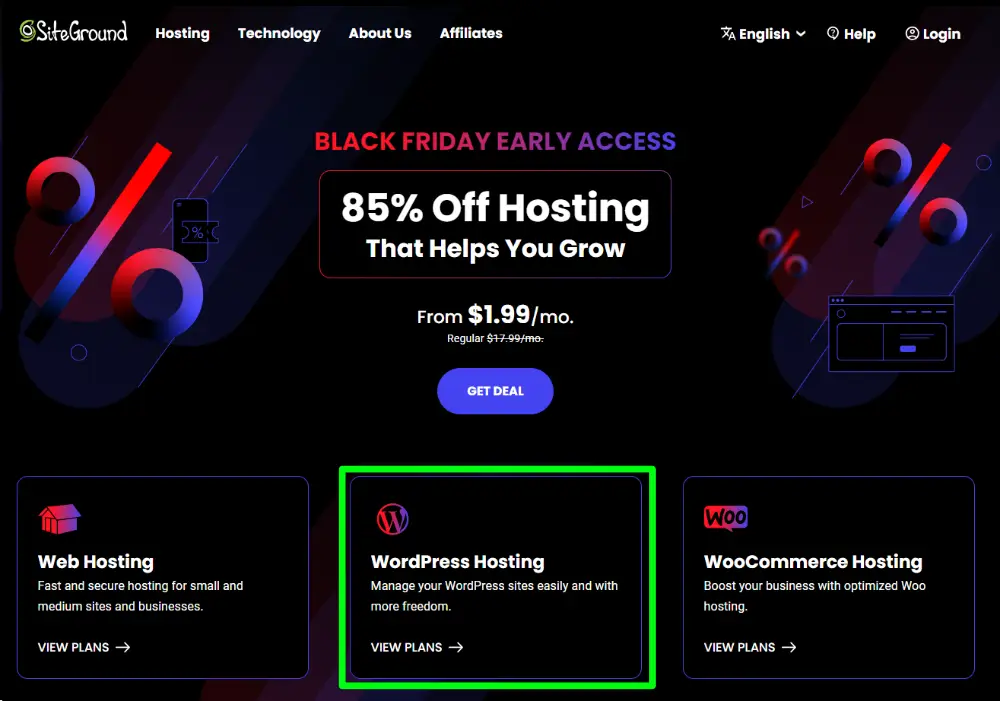
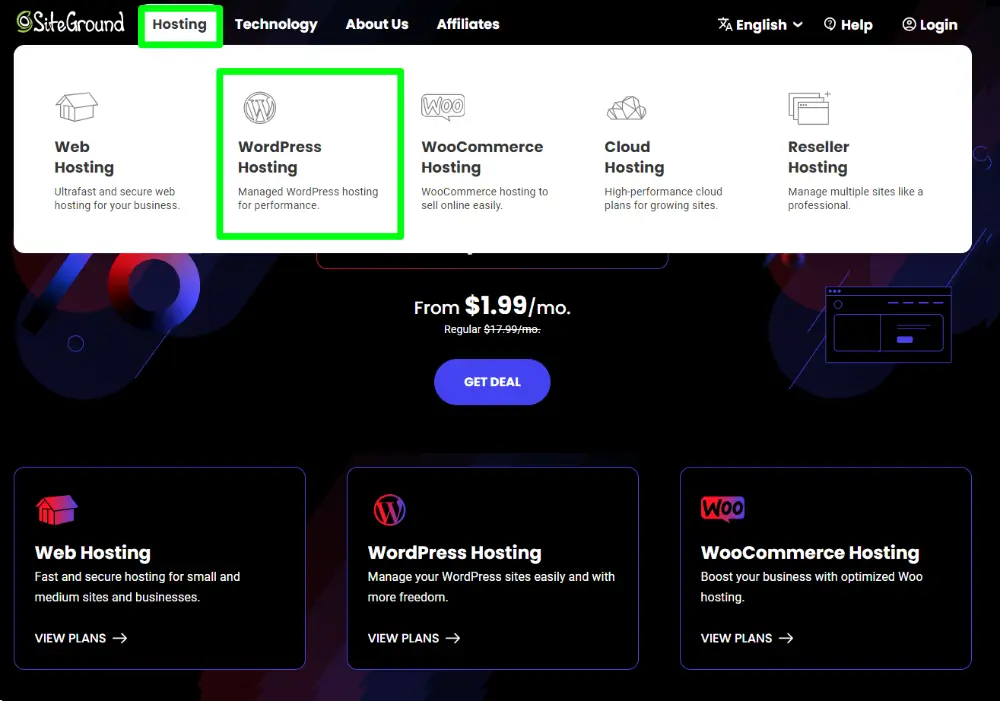
To get started, head over to Siteground and click the WordPress Hosting (from top menu or by clicking the page element) if you plan to install WordPress as I present in this tutorial.
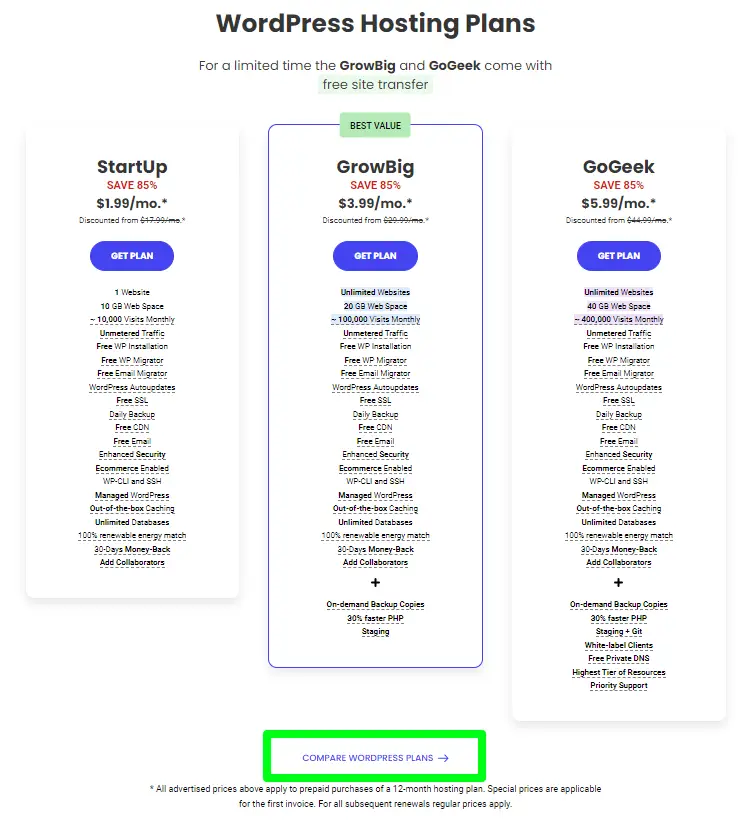
You will see a breakdown of the hosting plans on the new page. You can also compare them to see all of the features, but to start a blog, it’s enough if you choose the StartUp plan. Later, you will have a chance to upgrade to higher plan, if required.
This is one of the cheapest plans on the market and the WordPress Hosting is dedicated to WordPress with additional settings. What is more, Siteground has one of the best configurations dedicated to DIVI Theme which we offer with 2000+ layouts for FREE with additional add-ons that help you succeed fast by improving SEO when you start a blog.
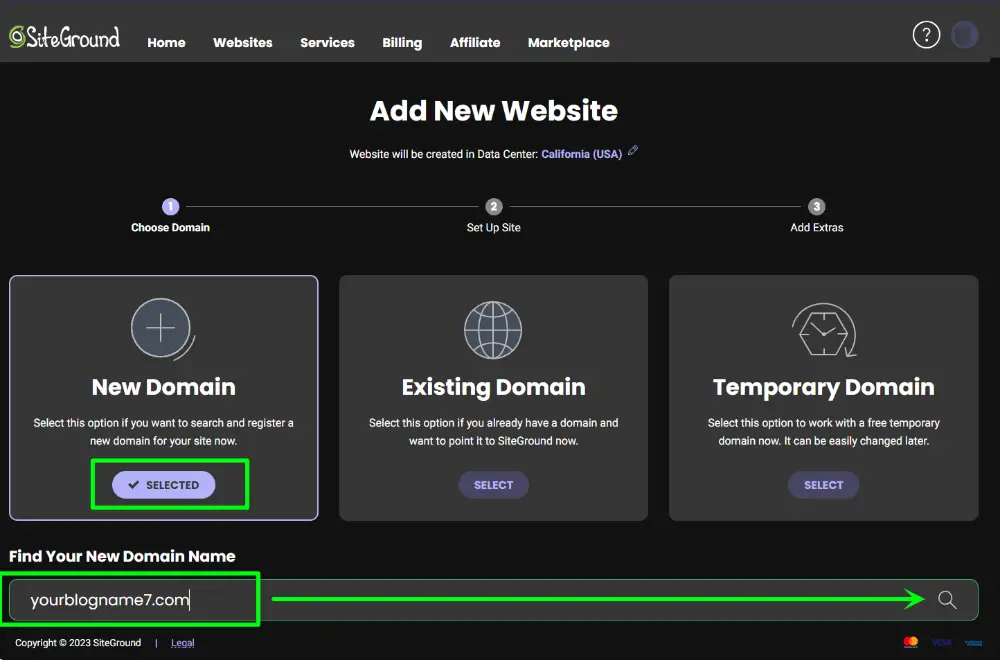
After selecting your plan, you will go to the page where you can buy the domain. Here you can input domain name selected in Step #2. If domain is taken you will receive error message with domain proposals. Try to find the best domain that is available and Continue.

Next, input your order details like Account, Client, Payment, and Purchase Information.
IMPORTANT: don’t forget to select The Domain Privacy service which hides your personal details from third parties, who may be authorized to access the full Whois information. This will improve your privacy and security, if any cybercriminal would like to gather information about you.
Check different payment options (12/24 months) if you want to find the best deal.
Check also our special offer, which pays off in the long term. We have additional add-ons and features in the package. Open page with special offer.
Once you’ve chosen a plan and contract length, select the Terms of Service and Privacy Policy and click the blue “Pay Now” button.

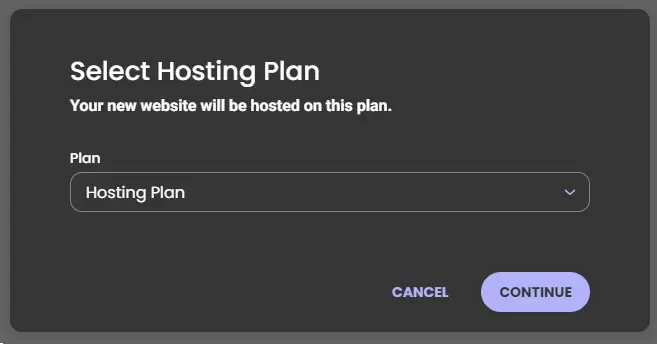
After successful payment, is time to configure your hosting server. The first step is adding the domain name you came up with in the previous steps. Start by clicking “Websites->New Website”, next select your hosting plan. Now, you will see three options: “New Domain”, “Existing Domain”, “Temporary Domain”. Press “New Domain” and search for your new domain.
If you haven’t decided on a name yet, that’s okay. You can click “Temporary Domain”. This way, you will get the free temporary domain to work with, and later, you will change it to your new domain.
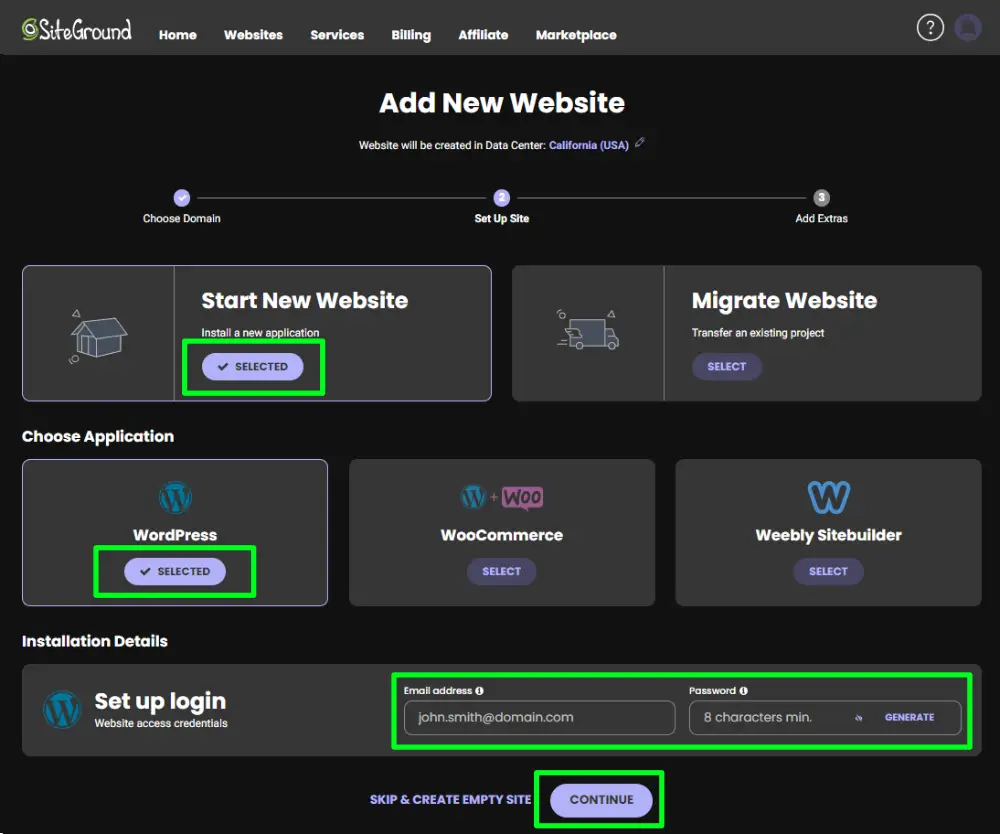
Next, you’ll select “Start New Website”, choose application “WordPress”, and set up an administrator account in “Set up Login”. When you have all that done press “Continue”.
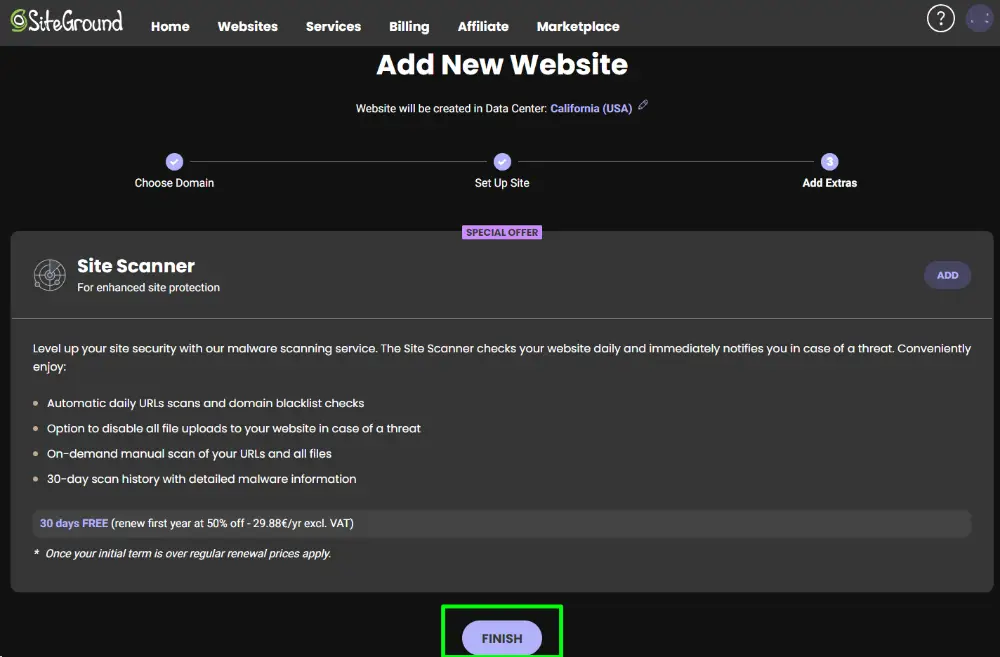
Now, you can add Site Scanner but it’s not required. You can add it later. To start installation press “FINISH”.
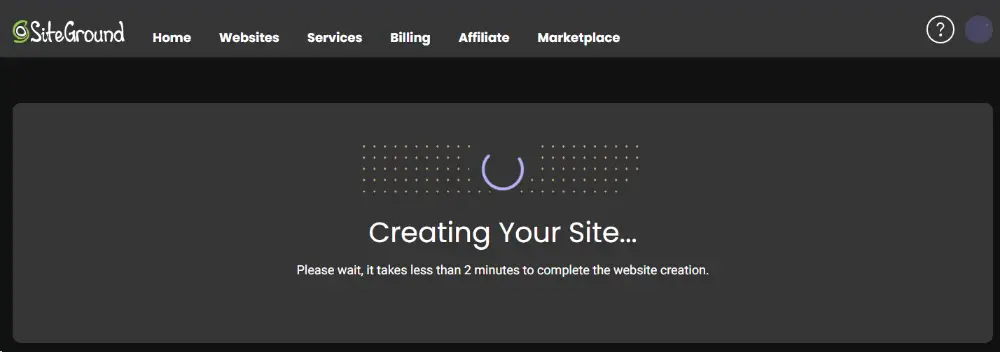
You will see “Creating Your Site” – wait until everything is installed.
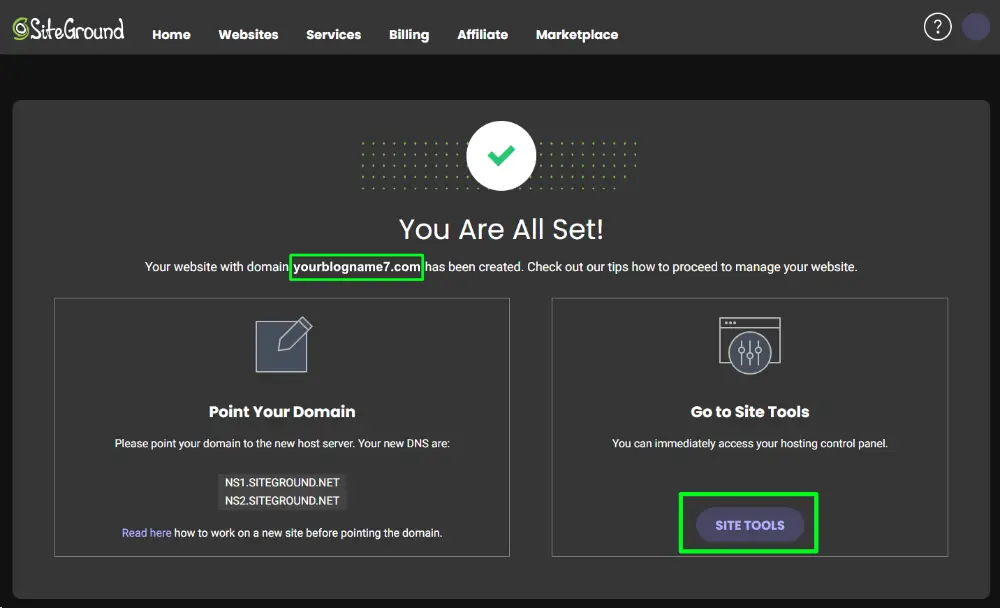
When everything goes well, you will see “You Are All Set”. To enter your new server click “SITE TOOLS”.
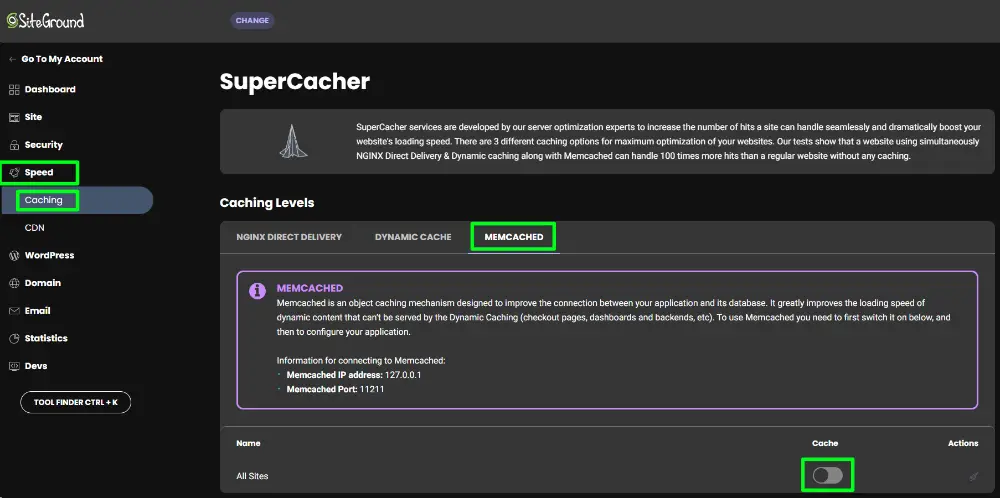
I suggest setting caching and SSL for security. First, open “Speed->Caching->MEMCACHED” and toggle Cache to ON.
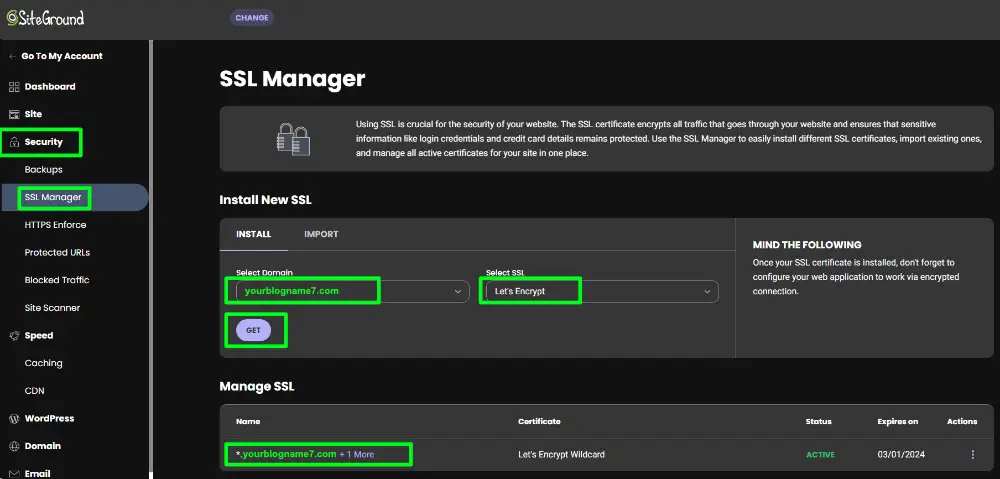
For security protocol, open “Security->SSL Manager”. Next, select the domain and choose SSL “Let’s Encrypt” and press GET.
After up to 2min you should see the SSL certificate installed and listed in the field “Manage SSL”.
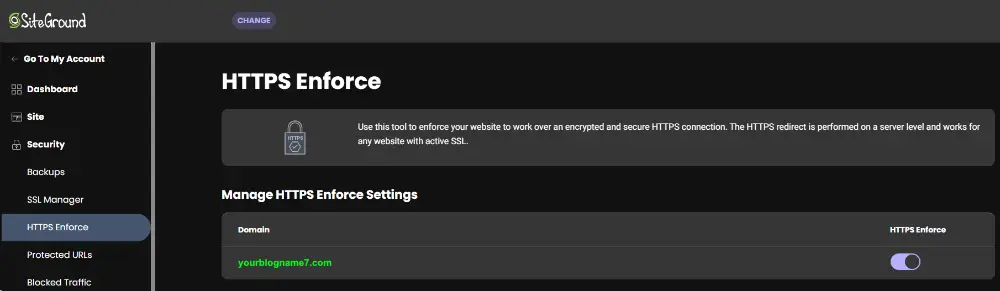
Now, it’s good to enforce HTTPS. For that go to “Security->HTTPS Enforce” and toggle to ON “HTTPS Enforce”.
After all that, you’re done with the hardest part! Congrats on your new blog!
You can’t start a blog without blogging software. This is a type of Content Management System (CMS) that helps you edit content without coding.
For about 20 years I built custom systems and said I would not use WordPress, but eventually, I understood my mistake. You might hear from some that using WordPress is not professional. My answer is simple: if both solutions, custom, and WordPress provide the same result, then I choose cheaper and faster.
Therefore, for the last 5 years, I run all of my blogs on WordPress because it’s user-friendly, free, and powerful. Why would I spend time developing something that is ready to be used and I can tweak it to fit our customers’ needs?
If you decide to make a blog that’s not on WordPress, you’ll find that it is much more costly. WordPress offers a ton of free plugins that allow you to modify your blog in any way, shape, or form.
Moreover, as I mentioned earlier, we give you professional 2000+ layouts ready to be used, adapted to your needs with drag-and-drop.
What’s nice is that Siteground takes care of WordPress installation for you during setup. You don’t have to do anything to get it ready to use. Just follow my guidelines from Step #3.
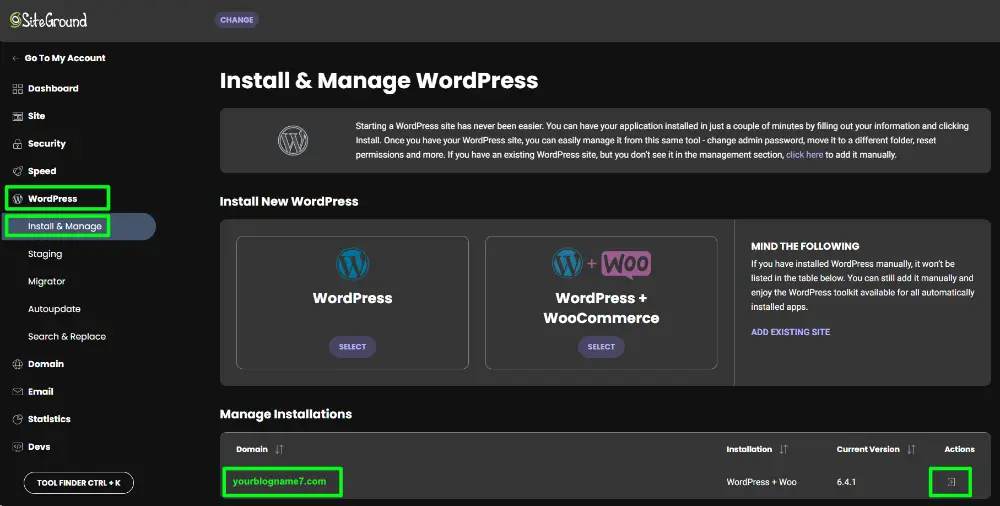
Once you’ve finished the guided setup process and logged into your Siteground dashboard, Click Websites in the top menu, select the website you created, and click “SITE TOOLS”. From there, in the left menu, go to “WordPress Install & Manage”. Next, on the right side at the bottom, you will find your domain listed under “Manage Installations”. Click the icon with an arrow that is located in the Actions column. This is “Login to Admin Panel” link.
This will take you to your WordPress backend, where you’ll be able to add pages, make new blog posts, edit the look and feel of your site, install plugins, and more.
Spend a few minutes clicking around to get comfortable with where everything’s at.
Do you know what is cool about WordPress? You can fast and easily get it looking as you would like to. In the website/blogging world, pre-built WordPress site designs are called themes.
Out of the box, your WordPress blog will look something like this:

To make it look better, pick a WordPress theme to start a blog. With our special offer, you get a DIVI Theme with a drag-and-drop builder. That’s the simple foundation you start with. But you’re going to want to find something that fits with your name, brand, colors, and the experience you want readers to have.
There are thousands of themes to choose from. But it can be easy to get trapped in “shiny object syndrome,” browsing through tons of pretty pictures and templates but not walking away with a theme that fits your needs.
You can swap out your theme any time, so choose something that’s good enough for now rather than stressing over the perfect option. Like your brand, your WordPress blog’s theme will probably evolve over time as you figure out what works and looks best in practice.
Let’s go through selecting a theme step-by-step.
First, you need to log into your WordPress admin. You can access this by going to [YourDomainName].com/wp-admin
Enter your user credentials to log in.

If you’re new to WordPress, the dashboard might look a little discouraging at first, but you’ll be an expert with a little practice.

Before you start installing things, configure basic settings. Go to Settings->General and make sure that your URLs for admin panel and the Site are pointing to HTTPS. This is important for the SSL certificate and HTTPS protocol to work properly.

To install a new theme, hover over the “Appearance” menu in the sidebar and click “Themes.”

WordPress has a few themes ready to go, but we will search for the flashier premium themes that will make your eyes twinkle.
Click the “Add New” button at the top to access thousands of WordPress themes.

Our tastes might differ. Fortunately, WordPress has a search that lets you search for something that will fit your style.
You can look for themes that closely relate to what your blog is going to be about.

After searching, you’ll see amazing themes that would otherwise cost thousands of dollars in design fees.

If you click on the theme’s thumbnail, you can get an instant preview of your blog’s appearance before you even start a blog. Evaluate if it fits your style and the topic you’ll cover.
Once you’re satisfied with the sneak peek, click the “Install” button.
Once the installation is complete, click the “Activate” button, and you’re all set.
If you can’t find a theme that you like, there are premium themes that you can purchase from sites like:
By now, your theme should be activated and ready to go. Let’s move on and customize it.
There are endless choices when customizing your WordPress blog, but let’s focus on the essentials.
Themes serve as the foundation of your design, providing core functionalities. Additionally, WordPress offers plugins that can significantly extend your blog’s functionality.
That’s the beauty of WordPress I mentioned previously. You get access to software very often for free.
These plugins cover a wide range, from adding e-commerce features or contact forms to analyzing content for SEO improvements or enhancing site security and performance.
Start with Theme configuration by following these four simple steps:

SCREENSHOT of the Themes page on WordPress for Site Identity settings
If you would like to speed up the design process, you choose one of the ready to be used DIVI layouts. Nevertheless this requires obtaining DIVI Theme. You can get all of that with hosting, if you use our Special Offer.
Search engine optimization (SEO) is crucial for visibility. WordPress simplifies the technical aspects of SEO.
I genuinely recommend learning SEO (our blog about SEO) to improve your blog position in the Search Engine Results Page (SERP). Whenever you finish your first five posts, you should get a FREE SEO Report from me.
TIP: Use a free tool to check the keyword you want to rank for. Open Google and search for the keyword you would like to rank. When you start a blog, go with long-tail keywords.
Here is one of the best free tools you can use: Free AI Keyword Research Tool. It’s a browser addon so it always gives you suggestions. Try and you will see by yourself how useful it is.
You can also read more how to use Surfer SEO to optimize on page SEO on your website.
Copy the link of one of the top pages (skip ads) that rank for your desired keyword. Now, go to the SEO BOOK Free Keyword Density Analyzer (you must register to use it) and paste the URL of the top-ranking page you copied from Google search results. When you press the submit button, you will receive a list of keywords that Google might recognize and their density percentage. You can use it as a guide for your blog post. Focus on writing for people rather than density in the first place, not for the bots. Nevertheless, when the post is ready, check your density and try to optimize it.
For example, this post should be around below values to rank high in Google:

SEO BOOK Keyword Density Analyzer to check How to Start a Blog
Now you’re on your way to a customized and search engine-friendly WordPress blog!
Permalinks are essential static hyperlinks leading to specific blog posts or pages. By default, WordPress generates permalinks with the post ID number, making URLs like “/p=12345,” which lacks appeal and clarity.

SCREENSHOT of the WordPress Permalinks setting page
Now that you’ve secured your domain, set up web hosting, installed a theme, and optimized your site for search engines, it’s time to dive into the heart of blogging, crafting compelling content.
Let’s go ahead and explore what topics will shape your blog.
Now that your blog is technically set up let’s start exploring the realm of generating compelling blog topics. The opportunities are enormous, drawing inspiration from personal experiences, passions, successes, failures, and continuous learning.
People often turn to search engines with questions like:
Whenever you start a blog that should make you money, an important step involves understanding the topics that interest people. Thanks to that, the potential to transition into a full-time blogger and generate income emerges as your blog gains traction.
Conducting market research is crucial to gauge the demand for various niches. Utilize tools like Google Trends to assess the popularity of specific topics based on search volume. The higher the search interest, the greater the public demand.
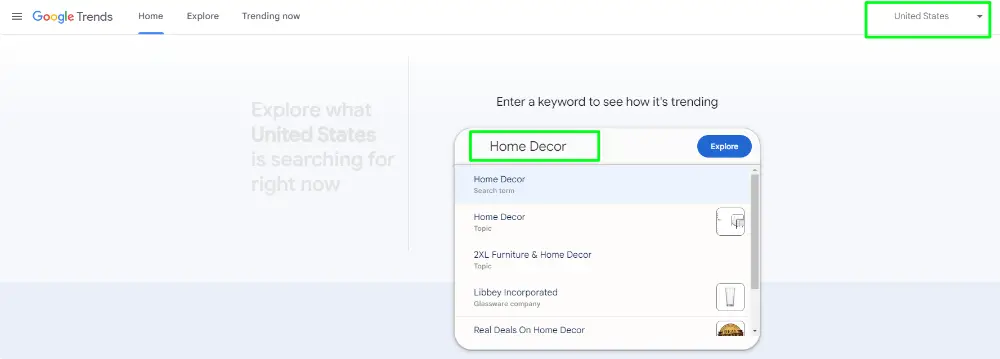
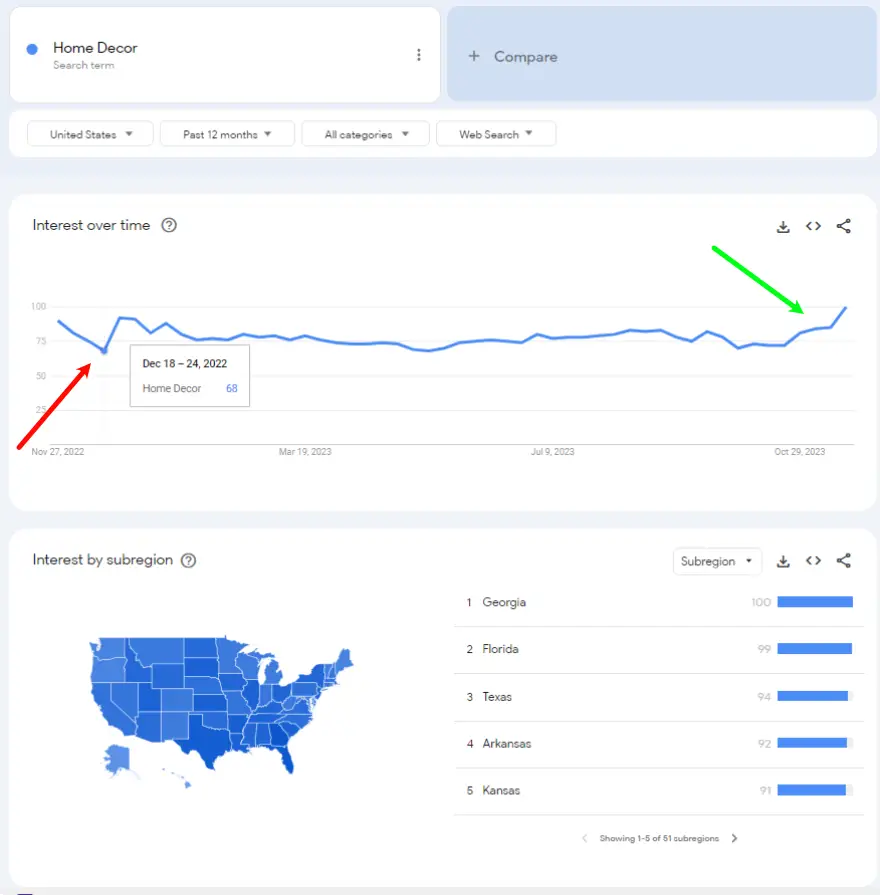
For example, entering “home decor” into Google Trends reveals a consistently moderate level of interest, making it a promising choice for a blog niche. Don’t forget selecting your target audience, when searching Google Trends. This option is in the right top corner as marked on the first picture.
Based on the data, I would promote “DIY Home Decor on a Budget” just before October. As you can see, that’s the time when the spike comes and the interest lowers around mid December. It’s well understood while it’s holiday season.
So, you can begin your brainstorming journey with some questions. You should use a systematic approach; please don’t worry – it’s straightforward and won’t take much time.
Grab a pen and paper or open your preferred word-processing tool. The aim is to generate at least 10 answers for each question, or more if inspiration strikes.
With around 50 answers, you can now extract diverse blog post ideas. The sky’s the limit. Consider the following examples:
Craft catchy headlines to captivate your readers and deliver impactful content.
Bonus Tip: Explore effective storytelling techniques with Blogging Tips That Will Make Your Blog Successful.
We all know: The first words are the hardest to write! Let’s change it with proper approach and technology.
Pro TIP: Currently, you can use artificial intelligence (AI) to suggest various topics.
Use this prompt to come up with different ideas for your blog post:
“Generate creative and engaging titles for articles in the travel niche. Imagine you’re creating content for a travel blog or magazine. Feel free to explore various aspects of travel, including destination highlights, travel tips, cultural experiences, and unique adventures. Provide a list of at least five catchy and enticing titles for potential articles.”
Read my article on “How To Rank On Google Instantly with ChatGPT“
WordPress offers an intuitive editor, similar to other word processing tools. So, you can create new blog entries directly from your WordPress admin dashboard.

How to Add Post in WordPress

WordPress Post Edit

Add WordPress Image

Add Edit WordPress Images

WordPress Edit Post AIOSEO
Another crucial aspect when you start a blog is to ensure it’s visible on Google and other search engines. This is essential for your content to appear in search results, so it’s important to address this step promptly.
First, ensure that your site is recognized by Google. Essentially, this involves notifying Google that your blog exists. You can accomplish this by submitting your sitemap to Google Search Console.
Pro Tip: Google Search Console is not only vital for indexing your site but also a valuable platform throughout your blogging journey. It provides crucial data about your blog’s site visitors and clicks, which you can leverage to enhance your content.

Google Search Console Example
You can also check whether your site is already included in Google’s search index. To do so, perform a quick site search. Use your homepage URL in the form of “site:yourblogname.com“. If your blog appears in the search results, then your site is already indexed. Congratulations!!!
Let’s plan out the rest of the month’s posting schedule.
Creating an editorial calendar is a crucial step in starting a blog. It ensures consistent content publication, holds you accountable, and contributes to your site’s overall ranking on search engines, as they consider publishing frequency.
If you haven’t already gathered a list of topics from previous steps, go back and use the same process to generate new ideas. Aim for at least 10 topics before building your content calendar.
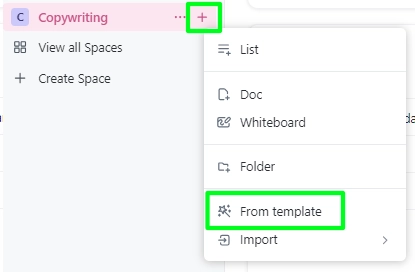
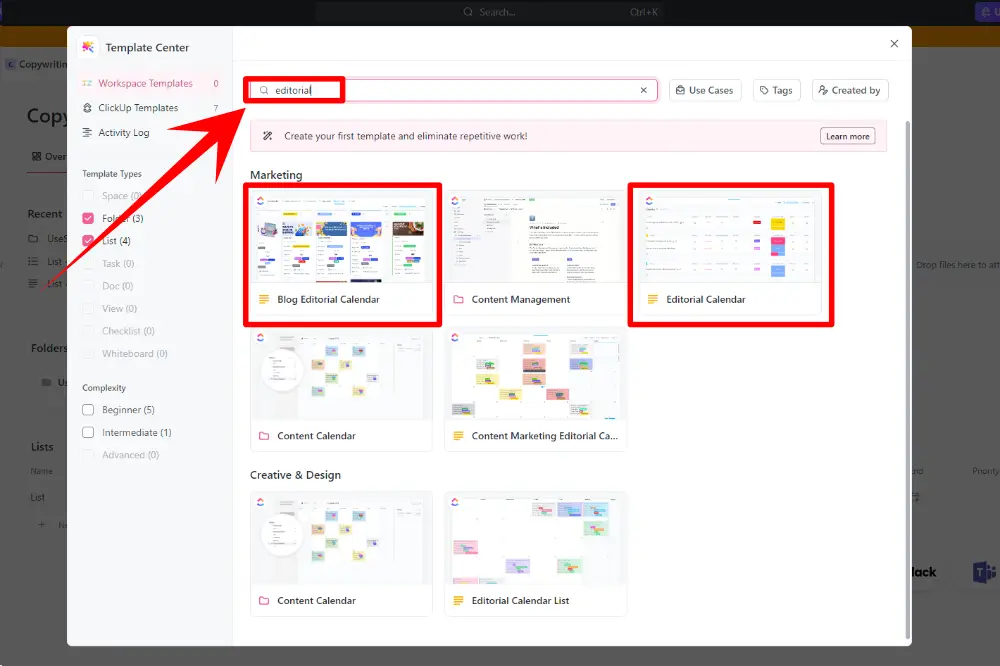
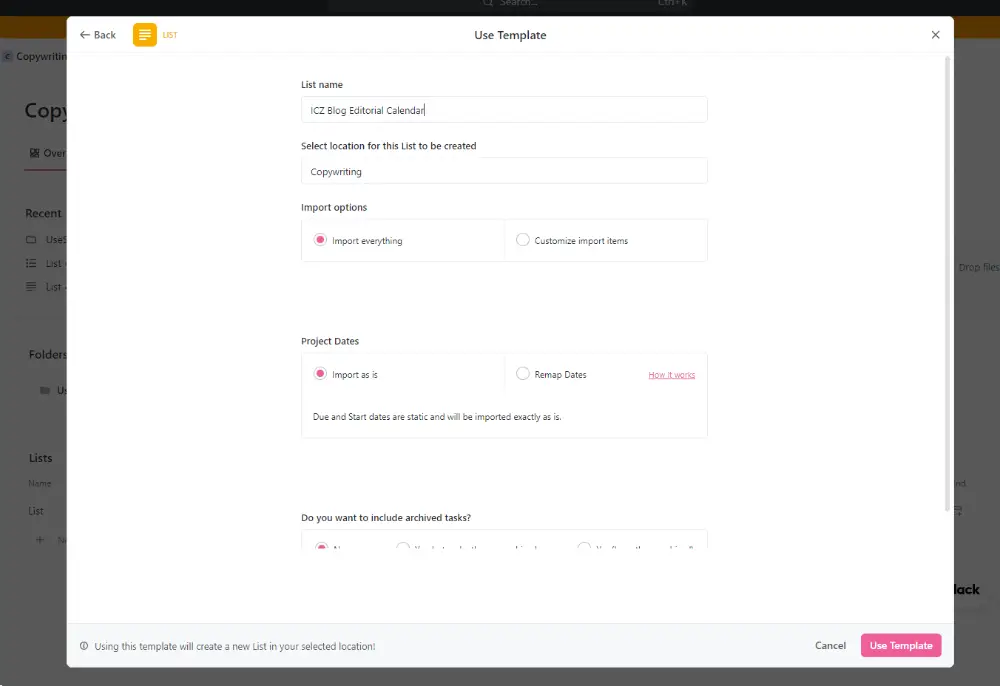
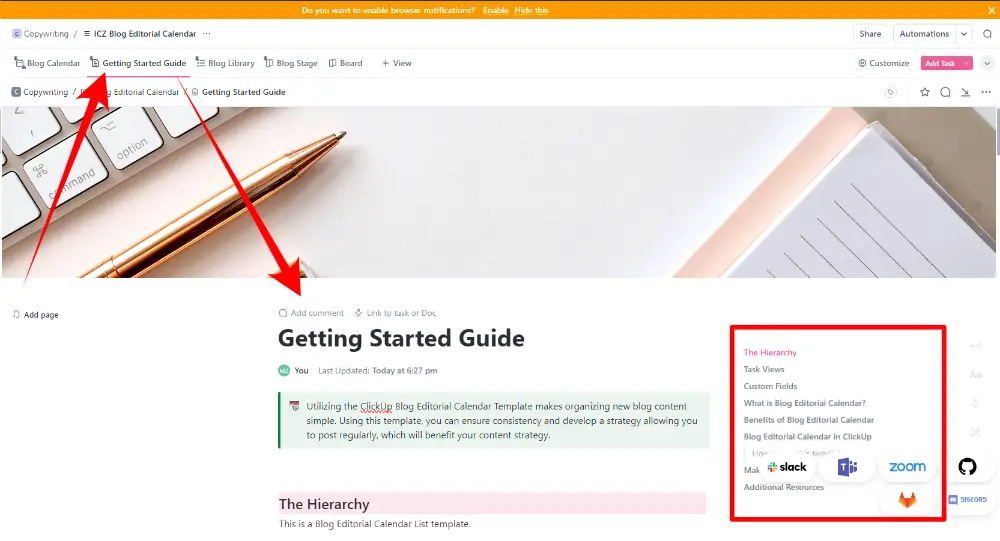
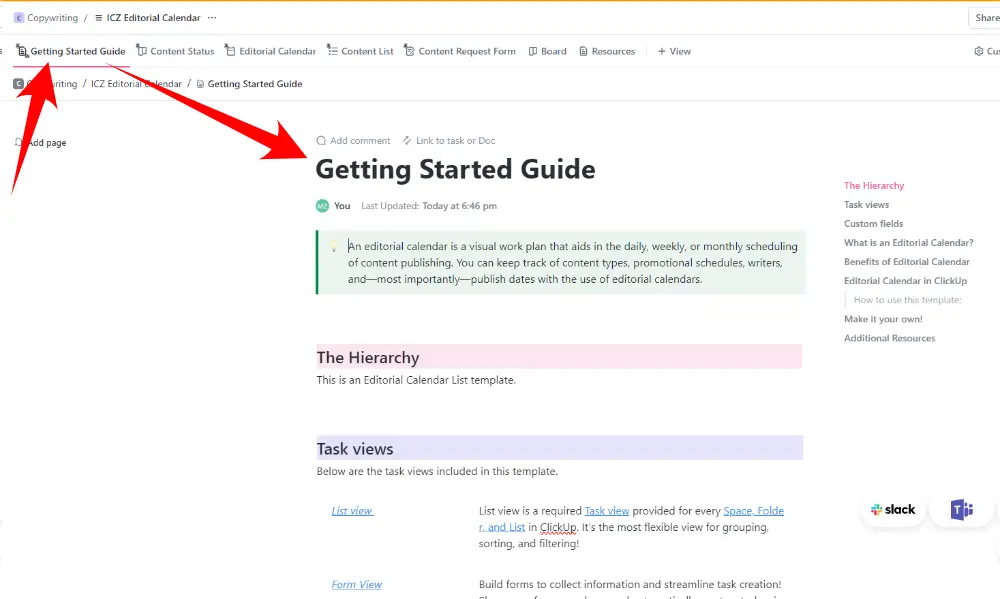
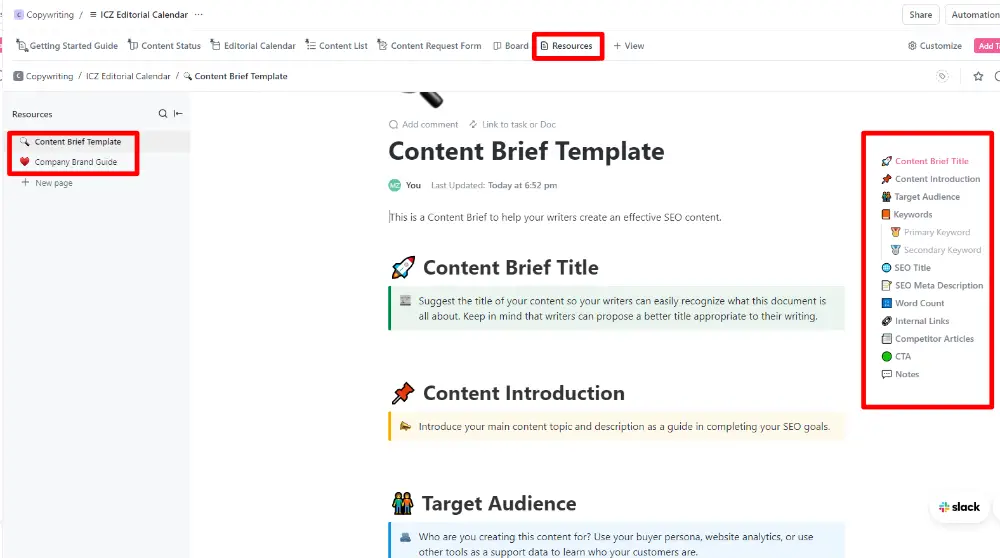
Building your calendar is easy and cost-effective. Nevertheless, tools can drastically improve your performance. You can use Excel or Google Sheets, but I have an amazing tool for you – ClickUp. With ClickUp template you will have almost everything ready in a minute or two.

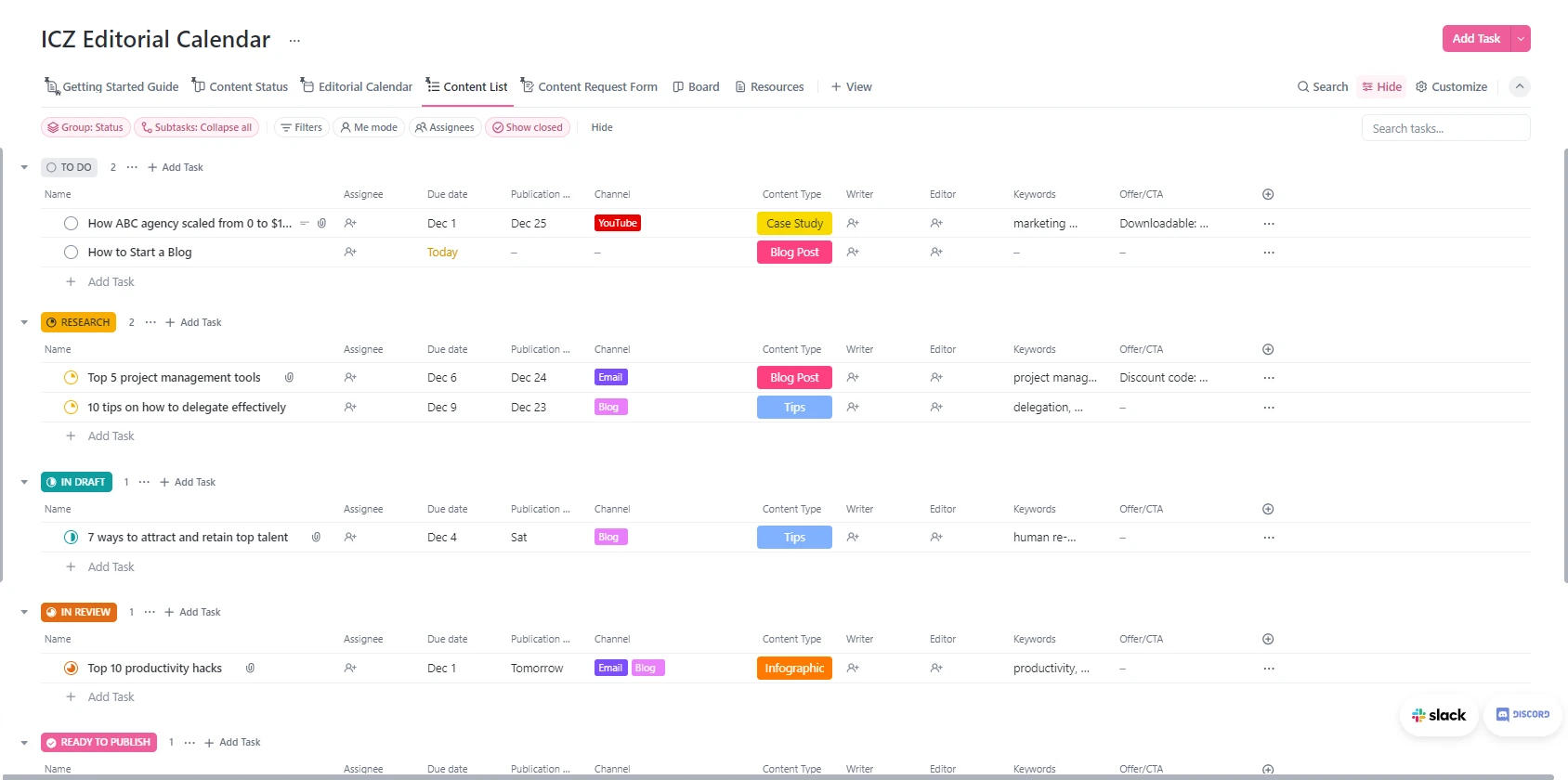
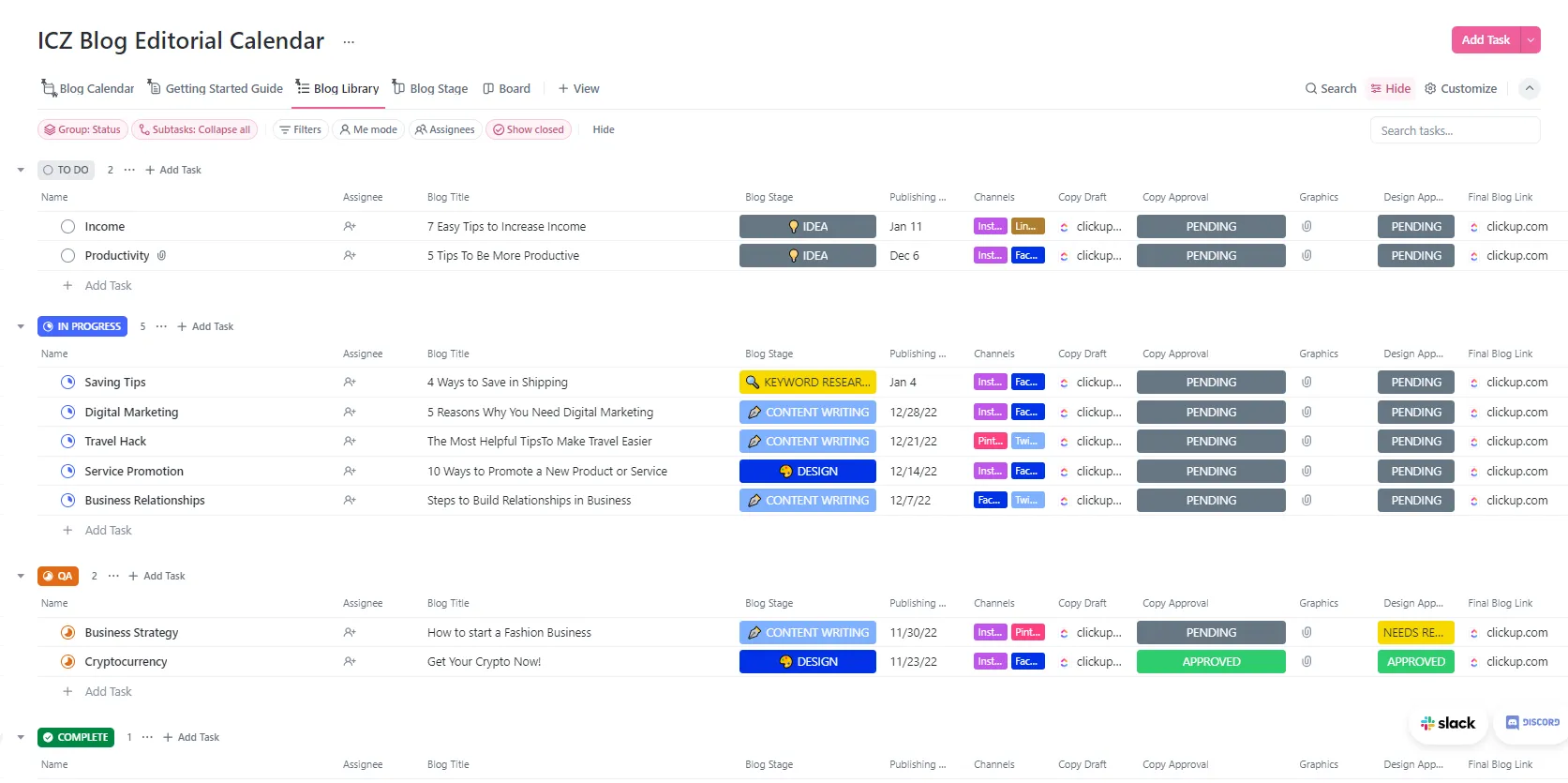
The question of how often to publish is common. Studies suggest:
The ideal frequency depends on your goals. For brand awareness, start with one to two posts per week. If boosting traffic is your priority, aim for three to four posts per week.
Set achievable goals to avoid discouragement. Once you are comfortable with your schedule, you can increase your efforts. Consider inviting guest contributors to increase the weekly content quantity.
Remember, consistency is key to building and retaining your audience.
Pro TIP: Use ChatGPT to generate your calendar and propose post titles. This will help you to start and thrive in the next 30 days.
Use my ChatGPT prompt with your blog niche, name, business name, search queries (keywords), etc. As a result ChatGPT will generate a complete plan for next month to help you out with posting.
/ **** prompt starts below **** /
Generate Editorial Calendar for “<YourBlogName>” <YourBusinessName>
Goal:
Improve the Google ranking of the “<YourBlogName>” website within one month by creating engaging blog posts.
Blog Niche:
The blog posts should cover niches related to <YourBlogNiche> and <YourBlogNiche>. Focus on addressing search queries such as:
- <YourSearchQuery>
- <YourSearchQuery>
- …
Content Suggestions:
Please provide ideas for blog posts related to the specified niches and search queries. Additionally, suggest suitable titles, a brief outline for each post, keywords, tags, and slug. Consider the target audience, SEO best practices, and engagement factors.
Editorial Calendar:
Propose a posting schedule for the suggested blog posts within the next month. Include the Due Date, publication date, and any specific considerations for timing.
Feel free to expand on each point and provide detailed suggestions. Thank you!
/ **** prompt ends above **** /
I assume you have already decided to start a blog. So, it’s prudent to assess the potential profitability of your chosen niche, regardless of whether you’re starting as a hobbyist or envisioning a professional career. I mean making enough money to cover all your needs. Anticipating future monetization avenues is crucial for strategic planning.
Affiliate Marketing Opportunities: As I mentioned, affiliate marketing is a prevalent method for bloggers to generate income. This involves collaborating with specific companies, integrating their product links in your blog, and earning commissions for resulting sales. To gauge the profitability of your niche, envision potential “best of” or “how-to” posts. For example, articles like “Best VPN for streaming” or “How to unblock a website” could incorporate affiliate links to recommended products.
Considerations for Profitability:
In essence, conducting an early assessment of your niche’s profitability provides valuable insights for making informed decisions as you are about to start a blog.
Pro TIP:
Affiliate Marketing:
- One of the most common ways to make money is blogging. Beginners can start with programs like Amazon Associates, while experienced affiliates can earn between $300 to $3,000 per day.
Advertising Within Your Blog:
- Display ads within your blog to monetize your blog real estate. Google AdSense is a lucrative and popular program, offering revenue for each click. Nevertheless, check Ezoic advertising network.
Offering Paid Subscriptions:
- Create exclusive content for paid subscribers, similar to how major publications charge for premium access. Mix free articles with exclusive, subscription-based content.
Write Sponsored Content:
- Partner with companies for sponsorship opportunities. Write articles promoting their products or services, and earn compensation in return.
Sell E-books and Merchandise:
- Sell digital or physical goods directly from your site. This can include branded merchandise, products related to your niche, or e-books and online resources.
Print on Demand:
- Utilize print-on-demand services to offer custom-designed merchandise without the need for inventory. Design and upload your creations, and let the company fulfil orders. The products are printed and shipped when ordered without your involvement.
Provide Consulting Services:
- Leverage the professional experience you gained as a blogger to offer consulting services. Consider services aligned with your blog’s niche, such as creating customized plans or coaching sessions.
Starting a blog for free is an accessible option for beginners. Follow these steps:
Leveraging artificial intelligence in the blog post creation process can significantly enhance efficiency. AI tools, such as ChatGPT and Bard, play a pivotal role in generating topic ideas, offering research insights, creating outlines, and even drafting content. However, it is imperative to thoroughly review and refine AI-generated content to ensure accuracy, relevance, and alignment with your brand voice.
Topic Generation:
Research Insights:
Outline Construction:
Drafting with AI:
Accuracy Check:
Relevance Assessment:
Brand Voice Alignment:
While grammar checkers like Grammarly and ProWritingAid can assist in proofreading, exercise caution in accepting suggestions. Creative writing styles should be preserved, and suggestions should enhance, not compromise, the originality of your content.
For beginners, Blogger is often considered one of the most accessible platforms to start a blog. It has a straightforward interface, and you can set up a blog with minimal technical knowledge.
Yes, free blogs can make money through various monetization strategies such as advertising, sponsored content, and affiliate marketing. While free blogs have limitations, they can still generate income for bloggers.
Bloggers can get paid through multiple channels, including:
Advertising Revenue:
Sponsored Content:
Affiliate Marketing:
Yes, blogging remains profitable in 2024. With the right strategies, dedication, and understanding of the evolving digital landscape, bloggers can generate income through various avenues.
Many beginner bloggers eventually make money, but it takes time, effort, and a strategic approach to monetization. Building an audience and establishing credibility are essential steps for beginners.
It’s never too late to start a blog. New voices and perspectives are always welcome in the online space. With the right niche, dedication, and quality content, you can succeed as a blogger in 2024.
Yes, a blog is a type of website. When you start a blog, you essentially create a website where you can publish and share your content.
Income for your blog can come from various sources, including advertising revenue, sponsored content, affiliate marketing, and selling products or services. As your blog grows, these revenue streams can contribute to your earnings.
Google Blogger can be suitable for making money, especially for beginners. It’s user-friendly and offers opportunities for monetization through advertising and sponsored content.
To start blogging as a beginner:
Yes, people still read blogs. Blogs remain a valuable source of information, entertainment, and personal connection. Quality content that addresses the needs and interests of the audience continues to attract readers.
Blogging continues to be a powerful tool for several reasons:
Search engines favor blogs, providing a significant SEO boost. Regularly updating your website with fresh, high-quality content through blogs can improve your rankings on search engine results pages (SERPs).
Engaging and informative blog posts help you position yourself as an expert in your industry. Building authority not only attracts new customers and clients but also fosters trust among your existing audience.
Blogs serve as a platform to share thoughts and ideas, creating a connection with your audience. It’s an effective way to build a community around your brand and engage with people who share similar interests.
Relevant blog posts tailored to your target audience can include calls to action, encouraging them to explore your products or services further or to reach out for a consultation. Blogs become a valuable tool for lead generation and sales.
Like many other platforms, Blogger doesn’t pay bloggers directly based on views. Instead, bloggers can earn through advertising programs like Google AdSense, where earnings depend on ad clicks and impressions.
Popularity varies by niche, but some widely-read blogs include HuffPost, TechCrunch, and The Verge. The most popular blogs often cover various topics, from news and technology to lifestyle and entertainment.
Yes, it is safe to start a blog. Follow best practices for online security, such as using strong passwords, keeping your platform and plugins updated, and implementing security measures to protect your blog and user data.
Monetize your blog through:
Advertising:
Sponsored Content:
Affiliate Marketing:
Sell Products or Services:
The number of views needed to get paid on Blogger depends on the monetization method used. For Google AdSense, for example, there is no specific threshold for views, but earnings depend on ad performance.
While making substantial money in three months is challenging, you can start by focusing on:
Remember, success in blogging often requires patience and consistent effort over time.
Use our special offer to succeed in less than 3 months.
Congratulations! You’ve reached the end of this comprehensive guide on starting a blog with IntelligentCustomerZone.com. Let’s recap the key points covered and, most importantly, inspire you to take the first steps on your exciting blogging journey.
Definition of a Blog:
Getting Started:
Setting Up Your Blog:
Creating Compelling Content:
Monetization Strategies:
Building a Successful Blog:
Frequently Asked Questions (FAQ):
Embarking on your blogging journey is a thrilling adventure filled with endless possibilities. Remember:
Passion Fuels Success:
Consistency is Key:
Engage and Network:
Embrace Learning:
Celebrate Small Wins:
Now that you have the knowledge and insights, it’s time to take that crucial first step. Whether you’re starting a blog for personal expression, information sharing, or as a potential source of income, your journey begins now.
Choose your niche, set up your blog, create compelling content, and watch your online presence flourish. Remember, every successful blogger started as a beginner, and your unique voice has the power to make a meaningful impact in the digital landscape.
Thank you for choosing IntelligentCustomerZone.com as your guide. Best of luck on your blogging journey!
Check other posts that can boost your SEO.

Learn how to get found on Google quickly with proven strategies for fast indexing, SEO optimization, and boosting your website's visibility effectively.

Master internal and external linking strategies to boost SEO, enhance user experience, and drive organic traffic with actionable tips and best practices.

Learn how a well-crafted SEO article structure boosts readability and rankings. Discover techniques to engage readers and optimize for search engines.

Learn how to optimize meta titles and meta descriptions to boost your website's visibility, improve click-through rates, and dominate search results.

Discover how AI keyword research revolutionizes SEO by saving time, improving accuracy, and uncovering hidden opportunities. Learn to stay ahead in SEO.

Discover the evolving landscape of AI SEO and learn how to optimize content for AI-driven search engines. Master strategies to stay ahead in digital marketing.

Discover the art and science of prompt engineering to guide AI systems effectively. Learn techniques, best practices, and strategies to optimize AI outputs.

Discover how an AI copywriting agent can revolutionize your content creation process, enhance brand voice, and save time with advanced automation.

Discover how to identify trending products and topics that sell. Learn tools, strategies, and insights to stay ahead in the $75.12T e-commerce market.

Discover cutting-edge off-page SEO strategies for 2025, leveraging AI to build authority, drive organic traffic, and stay ahead in the digital landscape.


Learn how to start affiliate marketing, a low-cost way to earn online income. Discover strategies, tools, and tips to succeed in this growing industry.

Learn how to create a blog design that attracts readers with effective layouts, engaging content, and strategies to boost retention and SEO.

Learn how to start a blog with this comprehensive guide. Discover the best platforms, hosting options, and strategies to build a successful blog today.

our free latest market news and updates, new reviews, projects, products, and special offers.