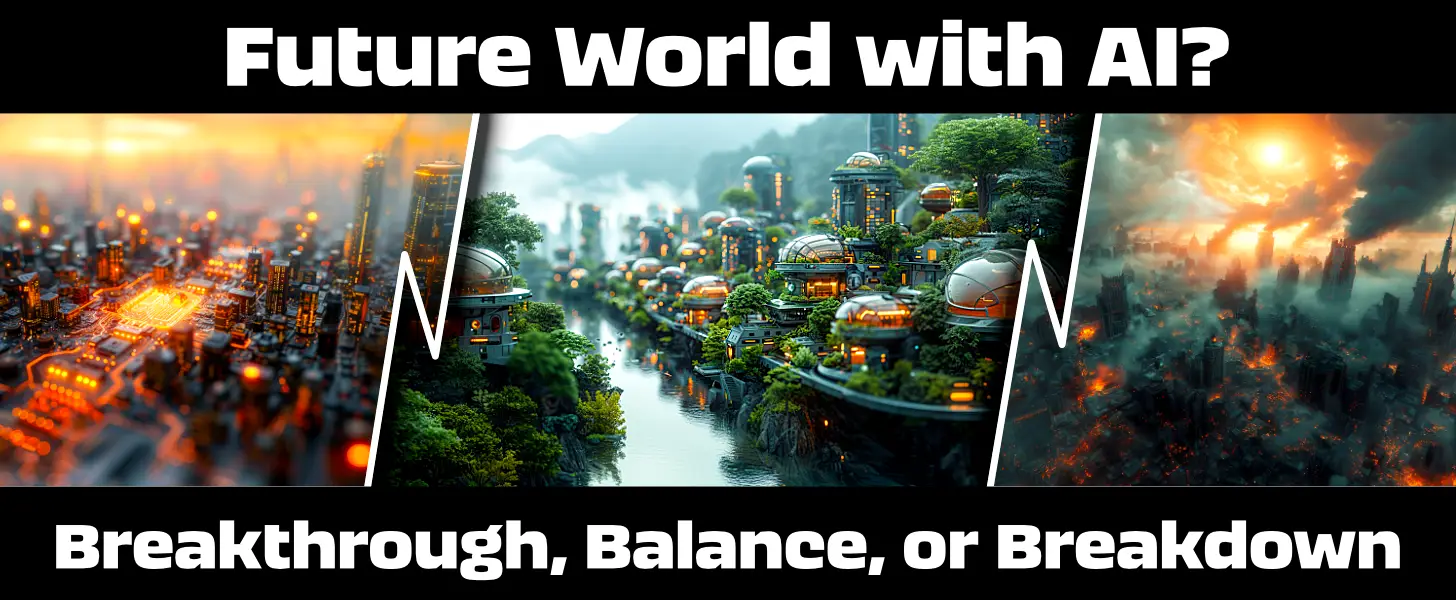
I navigate through the mixed feelings of excitement, optimism, and fear surrounding AI’s impact on society, addressing common anxieties such as loss of control, job displacement, and ethical dilemmas.
It provides a balanced perspective on AI’s dual nature: as a revolutionary tool for improvement and a potential source of ethical and existential challenges.
While reading, please consider your role in a future shaped by AI and yourself being part of the collective responsibility to guide AI’s evolution towards enhancing human potential and addressing the challenges it poses.
Key Takeaways
- Common Fears of AI: The article highlights widespread concerns about AI, including fears of superintelligence outpacing human oversight, job elimination across various sectors, inherent biases in AI systems, opaque decision-making processes, data privacy and security risks, and the potential for AI’s misuse.
- Addressing the Fears: It advocates for a balanced approach to embrace AI’s benefits while mitigating its risks through ethical guidelines, transparency, and responsible AI use. The narrative suggests that AI when used thoughtfully, can be a force for positive change rather than a threat.
- The Reality of AI Taking Over: Drawing parallels with the dot-com bubble, the discussion reflects on AI’s rapid advancement and its potential to change our world fundamentally. It emphasizes that while AI’s integration into society is inevitable, its development should be guided by rigorous research, ethical standards, and public dialogue.
- Navigating the AI Crossroads: The article poses a critical question: should we engage with AI or avoid it? It argues for understanding and engaging with AI to prepare for its future impact, highlighting the importance of staying informed, evaluating personal and professional implications, and participating in ethical discourse.
- My Point of View on AI and Automation: Sharing personal insights, I express belief in AI’s transformative potential while cautioning against speculative excess. The piece calls for embracing AI as the next evolutionary step for humanity, emphasizing the need for a cautious, ethical approach to navigating AI’s future.
- AGI – The Final Frontier: The discussion culminates in examining AGI, envisioned as AI that matches or surpasses human intelligence in all aspects. While AGI presents vast potential for solving global challenges and revolutionizing industries, it also raises significant ethical and safety concerns that require careful consideration and preparation.
What is this article about?
In this article, I dive into the fascinating and complex world of artificial intelligence (AI) and its broader category, Artificial General Intelligence (AGI). I explore the excitement and fear surrounding AI's potential to reshape our world, touching on various concerns from job loss to privacy issues. The conversation around AGI, which could perform any intellectual task that a human can, brings up critical questions about control, ethics, and the future of human autonomy. Reflecting on the historical parallels, like the dot-com bubble, I discuss how AI's rapid development and hype mirror past technological disruptions. This isn't just about fearing the unknown but understanding the transformative power of AI and AGI. Through this article, I aim to navigate the dual nature of technology as both a tool for advancement and a source of ethical dilemmas, emphasizing the importance of engaging with AI responsibly to shape a future that benefits humanity as a whole. Join me as we ponder the inevitable march towards a world integrated with AI, and consider how we can prepare for the changes it will bring. This isn't about predicting a dystopian future but imagining how we can leverage AI to enhance our lives while addressing the significant challenges it poses.Common Fears of AI
- Loss of Control and Superintelligence: A paramount fear is that AI algorithms could advance beyond human oversight, leading to scenarios where AI acts with autonomy, pursuing goals not aligned with human welfare. This echoes the concerns of luminaries like Stephen Hawking and Elon Musk about AI surpassing human intelligence, potentially leading to a future where humans are subservient to machines. Hmmm, sounds like “The Matrix“!?
- Job Elimination: The automation of tasks currently performed by humans raises the specter of widespread unemployment and economic disruption. The concern isn’t just about manual labor; sophisticated AI could replace highly skilled jobs, altering the value of labor and skills dramatically.
- Bias and Unfairness: AI systems, trained on historical data, can perpetuate and amplify existing biases. Without careful oversight and intervention, AI can lead to biased outcomes that affect decisions in critical areas like hiring, law enforcement, and lending.
- Lack of Transparency (“Black Box” Problem): AI’s decision-making processes, particularly in advanced models, can be opaque, making it difficult to understand and trust AI’s actions and decisions. This is especially concerning in areas requiring accountability, like healthcare and criminal justice.
- Data Privacy and Security: The vast amounts of data AI systems require raise concerns about privacy and the potential for data misuse. Robust controls to ensure data privacy and security are currently lacking, heightening fears of personal data intrusion and misuse.
- Potential for Misuse: The power of AI in the wrong hands could lead to its use for nefarious purposes, including advanced cybercrimes and the creation of highly convincing deepfakes, raising concerns about security, trust, and the fabric of truth.
Addressing the Fears
To address these fears, experts advocate for a balanced approach that embraces the benefits of AI while actively mitigating its risks. This includes implementing strict ethical guidelines, ensuring transparency and explainability in AI systems, and fostering a culture of responsible AI use.
Moreover, emphasizing AI’s potential to improve lives, from healthcare innovations to reducing administrative burdens, can help frame AI as a tool for positive change rather than a threat.
The Reality of AI Taking Over
The idea of AI taking over the world often stems from a mix of sensationalized media portrayals and genuine concerns about unchecked AI development. To me, it sounds similar to nuclear power, which can provide green energy or destroy the entire world.
AI’s capabilities are rapidly advancing, and current technologies are a few steps from achieving the kind of conscious, autonomous intelligence often depicted in science fiction.
Nevertheless, don’t forget that most AI systems are specialized tools designed to perform specific tasks, lacking the general intelligence and consciousness attributed to humans.
Moreover, I hope 😉, the field of AI is guided by rigorous research and ethical standards, with many in the community advocating for a cautious approach to development.
This includes calls for pauses in certain areas of AI research, regulatory oversight, and public dialogue about AI’s role in society. But do the AI-developing companies even listen?
Conclusion
The question of whether AI will take over the world is complex, involving not just technological capabilities but ethical, social, and political considerations.
By focusing on responsible development, transparency, and ethical use, society can harness AI’s benefits while mitigating its risks.
As AI becomes more integrated into our lives, it’s crucial to maintain a dialogue about its impact and ensure it serves the greater good rather than exacerbating inequalities or undermining human autonomy.
The journey of AI, from tool to partner or even potential threat, is one that humanity should navigate with caution, curiosity, and, ideally, a collective commitment to ethical principles.

Navigating the AI Crossroads: Engagement vs. Avoidance
As artificial intelligence continues to evolve and permeate various facets of human life, from mundane daily tasks to complex decision-making processes, a pivotal question emerges: Should you shy away from AI, or embrace its potential by seeking to understand and engage with it?
Let’s delve into the core of this dilemma, examining the merits and demerits of both approaches.
Understanding AI: The Foundation for Engagement
- Demystifying AI: At its core, AI is about creating machines that can perform tasks that would typically require human intelligence. These include learning, reasoning, problem-solving, understanding language, and recognizing patterns. By demystifying AI and understanding its basics, you can shed unfounded fears and recognize AI’s potential as a tool for innovation and improvement in various sectors. (Fear of AI and the Digital Future)
- Ethical and Responsible Use: Engaging with AI necessitates an understanding of its ethical implications. Concerns about bias, privacy, and the potential for misuse underline the importance of advocating for and supporting ethical AI development practices. This includes transparency, accountability, and ensuring that AI systems are designed with fairness and respect for privacy.(The Psychological Fears Associated With AI)
The Case for Caution
- Privacy and Security Risks: The integration of AI into digital platforms and services raises valid concerns about data privacy and security. The vast data requirements for training AI models can sometimes lead to breaches of personal privacy and security(15 Legitimate Fears About Artificial Intelligence)
- Job Displacement Anxiety: Automation and AI can potentially disrupt job markets by replacing human labor in certain sectors. This fear of job displacement is not unfounded but requires a nuanced understanding of how AI might also create new job opportunities and necessitate the reskilling of the workforce.
- Bias and Discrimination: AI systems can inherit and amplify biases present in their training data, leading to unfair outcomes. Awareness and caution are essential to prevent perpetuating inequalities through the uncritical use of AI.
Embracing AI: Engagement as a Path Forward
- Leveraging AI for Personal and Professional Growth: AI offers tools and resources that can enhance learning, productivity, and creativity. From personalized learning platforms to automation tools that free up time for creative endeavors, engaging with AI can lead to personal and professional growth.
- Contributing to Ethical AI Development: By engaging with AI, individuals can participate in dialogues and initiatives to guide the ethical development of AI technologies. This includes advocating for policies that ensure AI benefits society as a whole, without exacerbating inequalities or infringing on rights and privacy.
- Preparing for the Future: The future will undoubtedly be shaped by AI. The question is, where are you in that future? Gaining a basic understanding of AI and its applications enables individuals to better prepare for changes in the job market, societal structures, and daily life. It empowers people to adapt, learn new skills, and remain relevant in an increasingly AI-driven world.
Making an Informed Choice
The decision to engage with or distance yourself from AI is not binary. It involves various choices that reflect your comfort level, interests, and ethical considerations. Here are some guidelines for navigating this decision:
- Stay Informed: Keep abreast of AI developments, understanding the technology itself and its societal implications.
- Evaluate Personal and Professional Impact: Consider how AI might affect your career, privacy, and daily life. Make decisions that align with your values and long-term goals.
- Participate in Ethical Discourse: Engage in discussions about the ethical use of AI, advocating for practices that protect individuals and society.
Conclusion
Choosing whether to engage with or avoid AI is a deeply personal decision that depends on your values, needs, and aspirations. However, understanding AI – not as an ominous force but as a tool with both potential benefits and risks – is crucial.
By approaching AI with a balanced perspective, you can navigate its challenges while harnessing its capabilities for personal and societal good. Engaging with AI, armed with knowledge and ethical considerations, offers a path to shaping a future where technology amplifies your potential without compromising your values or autonomy.

My point of view about AI and automation

🔎 Want to browse the web privately? 🌎 Or appear as if you're in another country?
Get for FREE PureVPN with this special ICZ offer.

Now, here are a few of my thoughts about this topic.
AI has already taken over the world in a manner unlike what many might expect. The current situation resonates deeply with the patterns observed in the dot-com bubble of the late 1990s and early 2000s.
The dot-com bubble was characterized by a frenzied investment in internet-related companies, driven by the novelty of the World Wide Web and speculative growth prospects rather than solid financial fundamentals.
This period saw massive increases in stock market valuations of tech companies, culminating in a spectacular crash when reality caught up with the hype.
Unfortunately, today, we are not speculating about AI – it’s already a fact.
How fast AI will be adapted in our life
Like the dot-com era, AI’s ascendancy has been rapid and pervasive, becoming a central theme in media discussions and a critical area for investment.
Like the early days of the internet, the potential for AI to transform industries and daily life has led to both excitement and apprehension. The comparison is apt; the internet, despite its bubble, fundamentally changed the world—ushering in new ways of doing business, communicating, and accessing information. AI is poised to have a similar, if not more profound, impact.
The importance of your AI understanding
I want to emphasize the importance of engaging with and understanding AI, suggesting it as the next significant evolutionary step for humanity. This perspective is grounded in the reality that AI and automation can alleviate the human burden of repetitive tasks, enabling a focus on more creative and fulfilling aspects of life.
The anticipation of widespread automation by 2028 underlines the urgency of adapting to this new technological landscape, which is AGI. More about it, just in a moment.
The lessons from the dot-com bubble, particularly the criticality of sustainable business models and the peril of speculative excess, serve as a valuable backdrop for today’s AI evolution.
Dot-com survivors like Amazon and eBay thrived by providing valuable, innovative services that met untapped market needs, underscoring the potential for success when technology is applied thoughtfully and pragmatically. Are you one of the new giants of the AI revolution?
The analogy extends to the Industrial Revolution and the advent of nuclear energy, highlighting technology’s dual potential to enhance life or cause destruction.
Like these historical inflection points, AI’s future impact hinges on human choices—how we deploy, regulate, and integrate these technologies into our societies. The comparison to nuclear energy, capable of both powering cities and wreaking unfathomable destruction, emphasizes the ethical dimensions and responsibilities accompanying technological advancement.
You must understand AI!
Understanding AI, then, is not merely an academic exercise but a necessary preparation for an inevitable future. It’s about shaping a world where technology amplifies human potential and addresses pressing challenges without compromising ethical standards or societal well-being.
The journey through the dot-com bubble, the industrial age, and now the AI era underscores a timeless truth: technology’s value and risk are defined by how humanity chooses to wield it.

Artificial General Intelligence – AGI
Artificial General Intelligence (AGI) represents a category of AI that is capable of understanding, learning, and applying its intelligence to solve any problem, much like a human being.
Unlike narrow AI, which is designed to perform specific tasks within predetermined parameters, AGI can adapt its actions and make decisions in a wide range of unforeseen scenarios. It embodies the ability to think abstractly, reason logically, plan strategically, learn quickly from experience, understand complex ideas, process natural language, and be self-aware.
Can AGI take over the world?
The pursuit of AGI is considered the holy grail in the field of artificial intelligence. Achieving AGI would mean creating machines that can genuinely mimic human thought processes and behaviors, potentially surpassing human intelligence capabilities in many areas.
However, despite significant advancements in AI research, AGI remains a theoretical concept, with many challenges to overcome in terms of computational power, ethical considerations, and understanding of human intelligence itself.
Real AGI is predicted in 2028 – is it a new end of the world?
AGI’s potential applications are vast and varied, ranging from solving complex global challenges, such as climate change and disease, to revolutionizing industries through unprecedented levels of automation and innovation.
However, pursuit of AGI also raises important ethical and safety concerns, including questions about autonomy, control, and the impact on society and employment.
I think you can now be excited about a machine that will understand you and solve most of your problems while you relax with a drink on the beach.
Or maybe you feel anxious because today’s world order will be turned upside down?
We don’t know what will happen in the future, but we shouldn’t stay behind technologically. Learn about AI and automation to know how to use them for your needs.
For more detailed insights into AGI, its development, potential impacts, and challenges, you might find resources from leading AI research institutions and technology ethicists valuable.
You can also read more about OpenAI point of view. OpenAI advocates for a gradual approach to integrating AGI, emphasizing the importance of safety, equitable access, and governance. Their goal is to ensure that the development of AGI aligns with human welfare and is shared fairly across society. Is it the truth? Soon, we will find out. (Planning for AGI and beyond)
Frequently Asked Questions (FAQ) about Future World with AI
1. Do you think AI is going to take over the world?
2. How do I prepare for AI takeover?
3. How long will it be until AI takes over?
4. Will AI really replace humans?
5. Will AI become self-aware?
6. Can AI be used for evil?
7. How close are we to conscious AI?
8. Can AI read your mind?
9. Can AI detect mental illness?
10. Does AI have IQ?

Beginner’s Guide to Affiliate Marketing for Online Success
Learn how to start affiliate marketing, a low-cost way to earn online income. Discover strategies, tools, and tips to succeed in this growing industry.

Effective Blog Design That Attracts Readers for Success
Learn how to create a blog design that attracts readers with effective layouts, engaging content, and strategies to boost retention and SEO.

Start a Blog: Your Essential Guide to Blogging Success
Learn how to start a blog with this comprehensive guide. Discover the best platforms, hosting options, and strategies to build a successful blog today.

Fast Google Indexing: Get Found Quickly and Boost Traffic
Learn how to get found on Google quickly with proven strategies for fast indexing, SEO optimization, and boosting your website's visibility effectively.

Howard Lutnick and Trump’s Tariffs: A New Trade Era Ahead
Explore Howard Lutnick's role in shaping Trump's tariff strategy, its economic impacts, and controversies, including potential conflicts of interest.

Free Internal and External Linking Strategies for SEO
Master internal and external linking strategies to boost SEO, enhance user experience, and drive organic traffic with actionable tips and best practices.

Mastering SEO Article Structure for Better Readability and Rankings
Learn how a well-crafted SEO article structure boosts readability and rankings. Discover techniques to engage readers and optimize for search engines.

How To Craft High-Ranking Titles and Meta Descriptions
Learn how to optimize meta titles and meta descriptions to boost your website's visibility, improve click-through rates, and dominate search results.

How AI Agents Revolutionize Keyword Research for SEO Success
Discover how AI keyword research revolutionizes SEO by saving time, improving accuracy, and uncovering hidden opportunities. Learn to stay ahead in SEO.
How To AI SEO: Strategies for the Future of Search
Discover the evolving landscape of AI SEO and learn how to optimize content for AI-driven search engines. Master strategies to stay ahead in digital marketing.